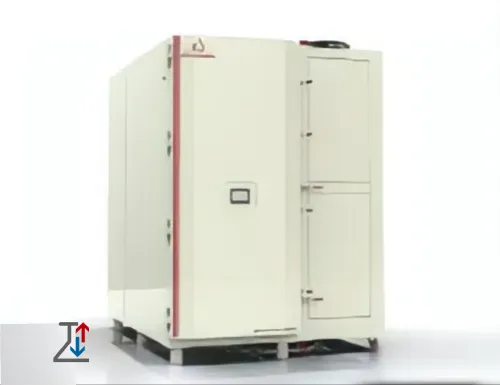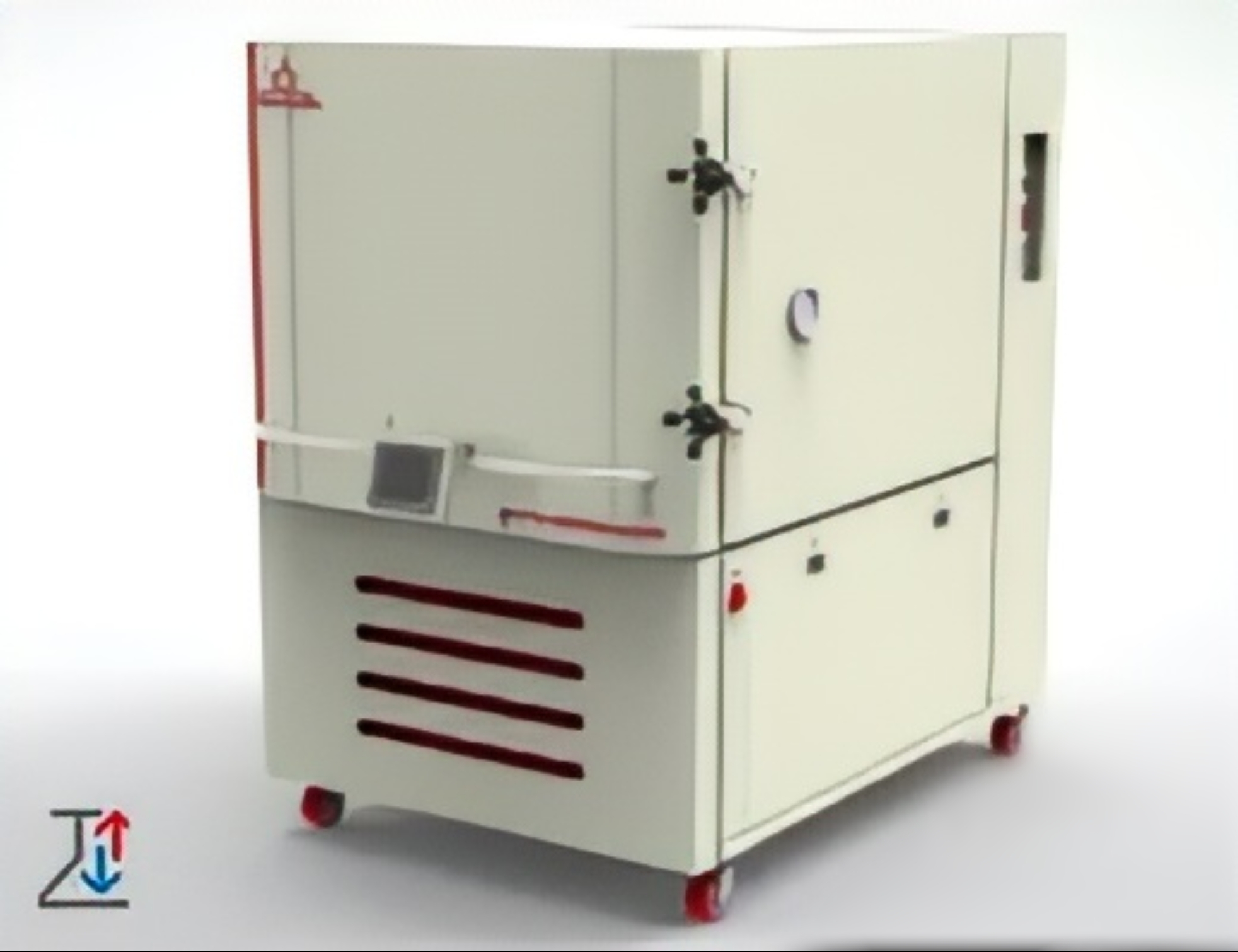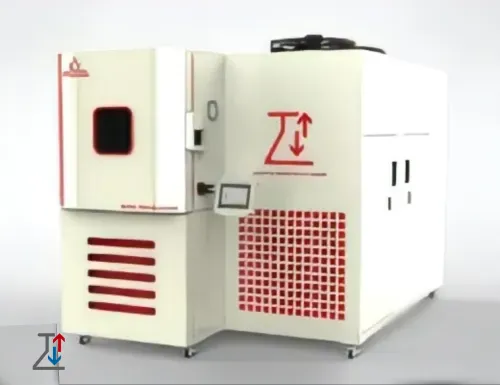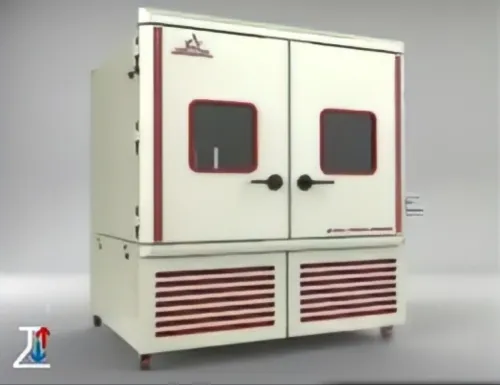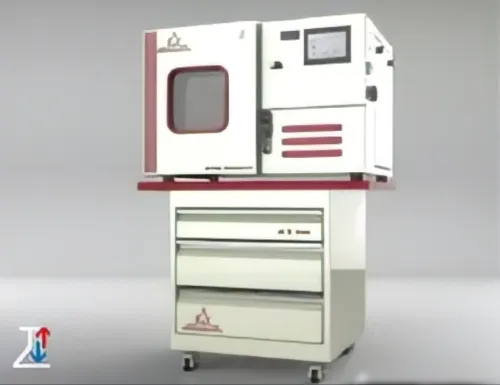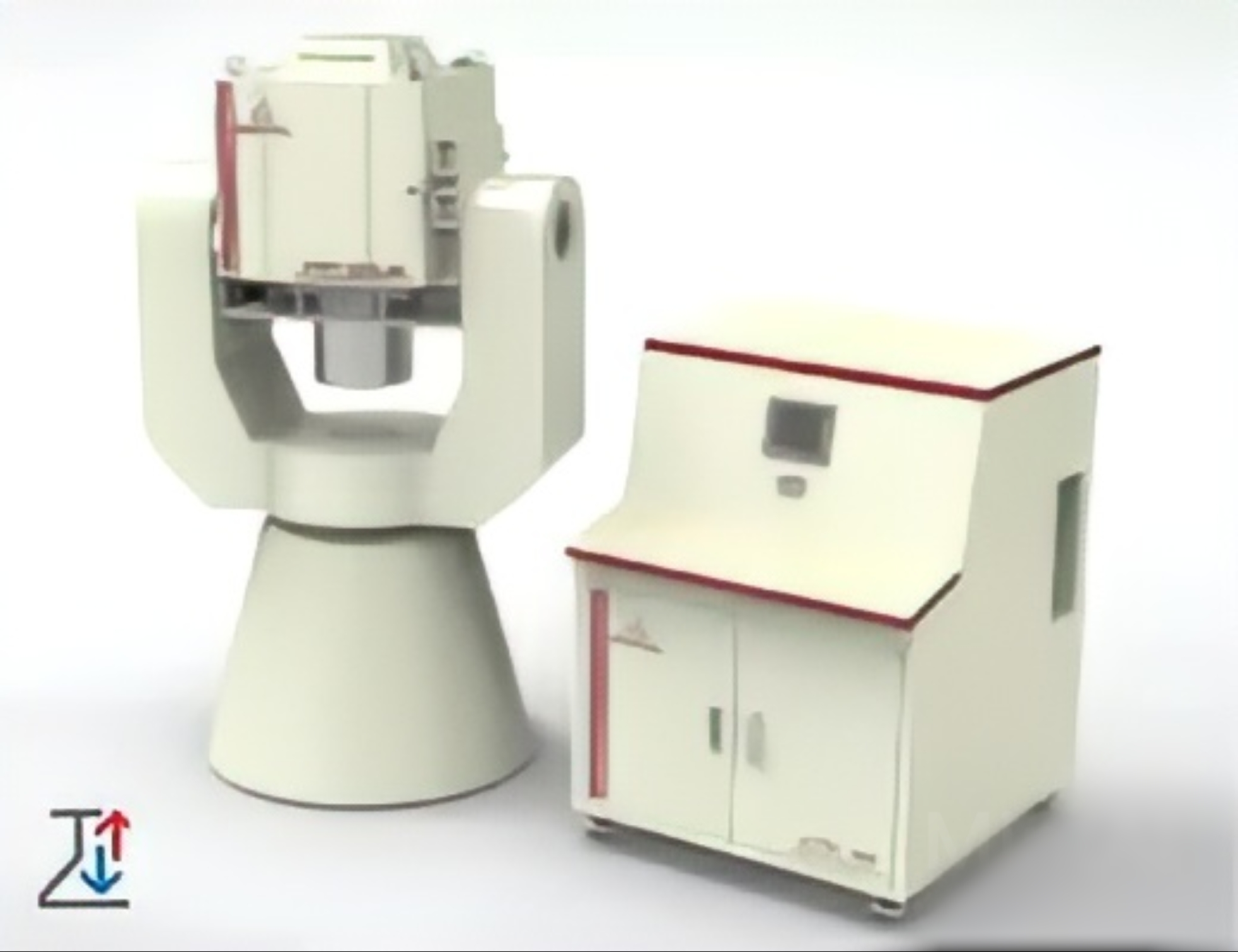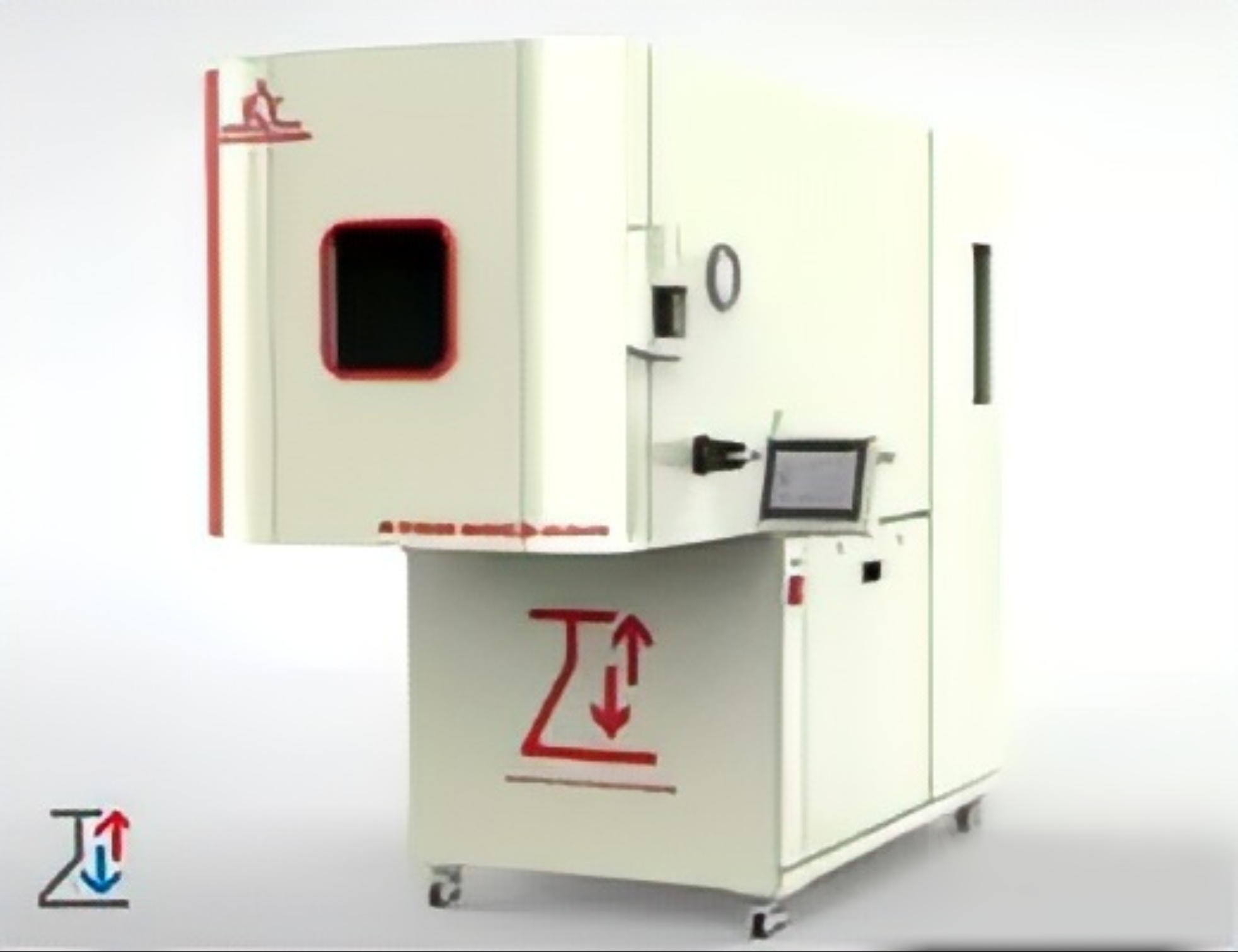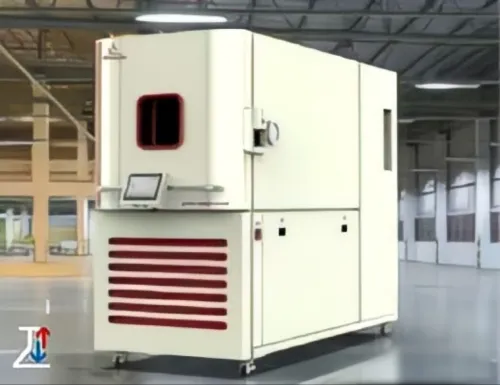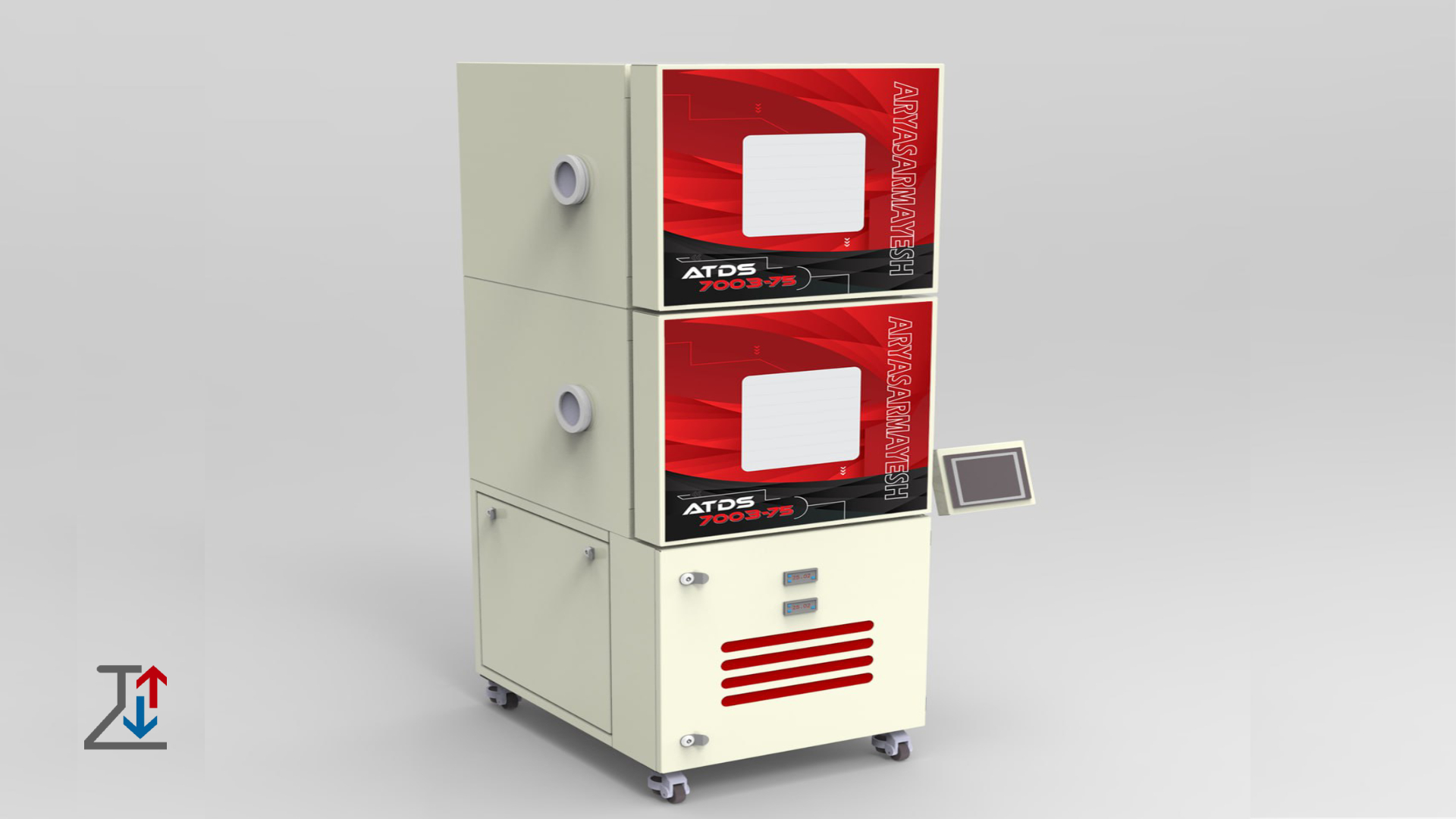
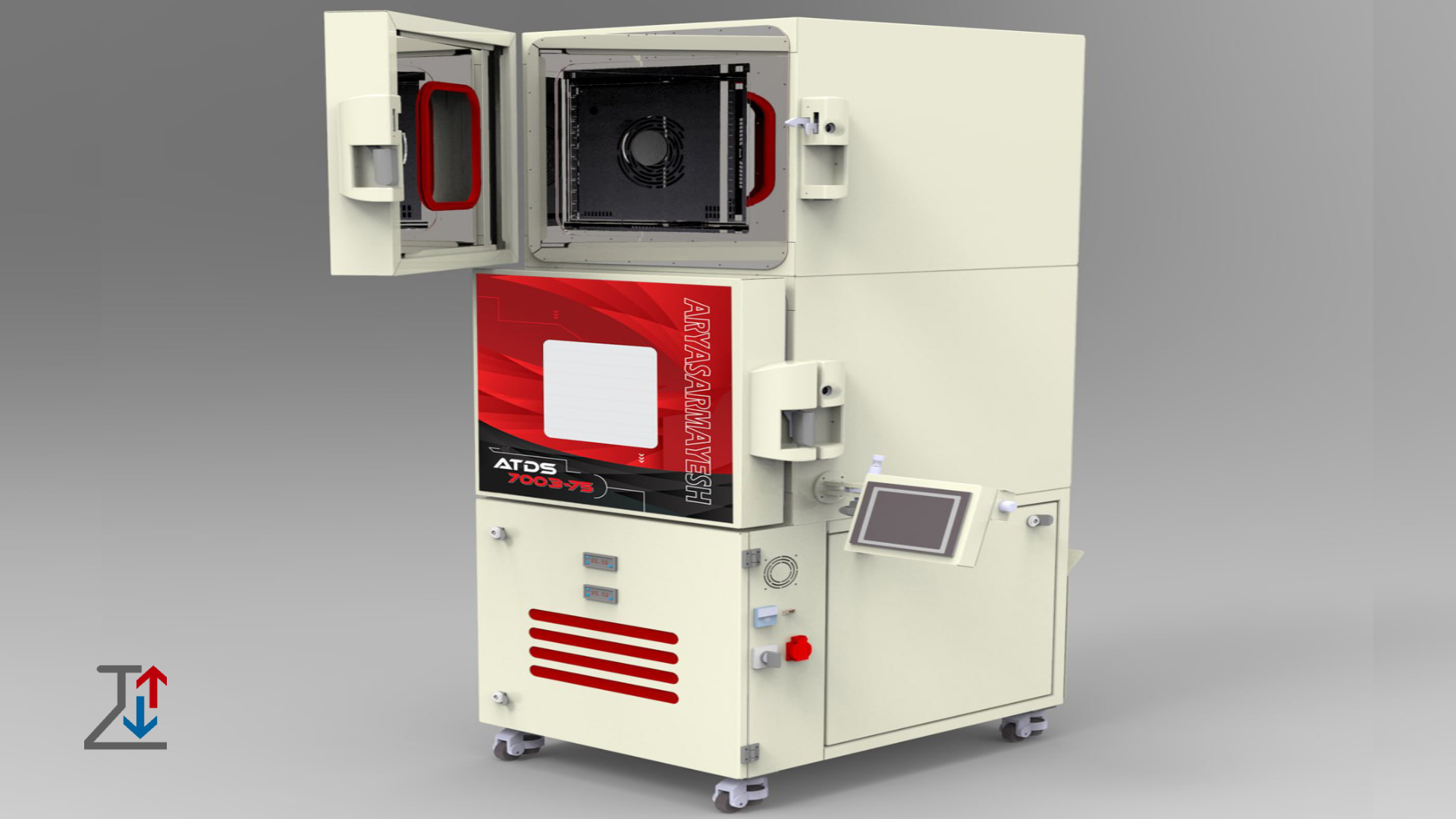
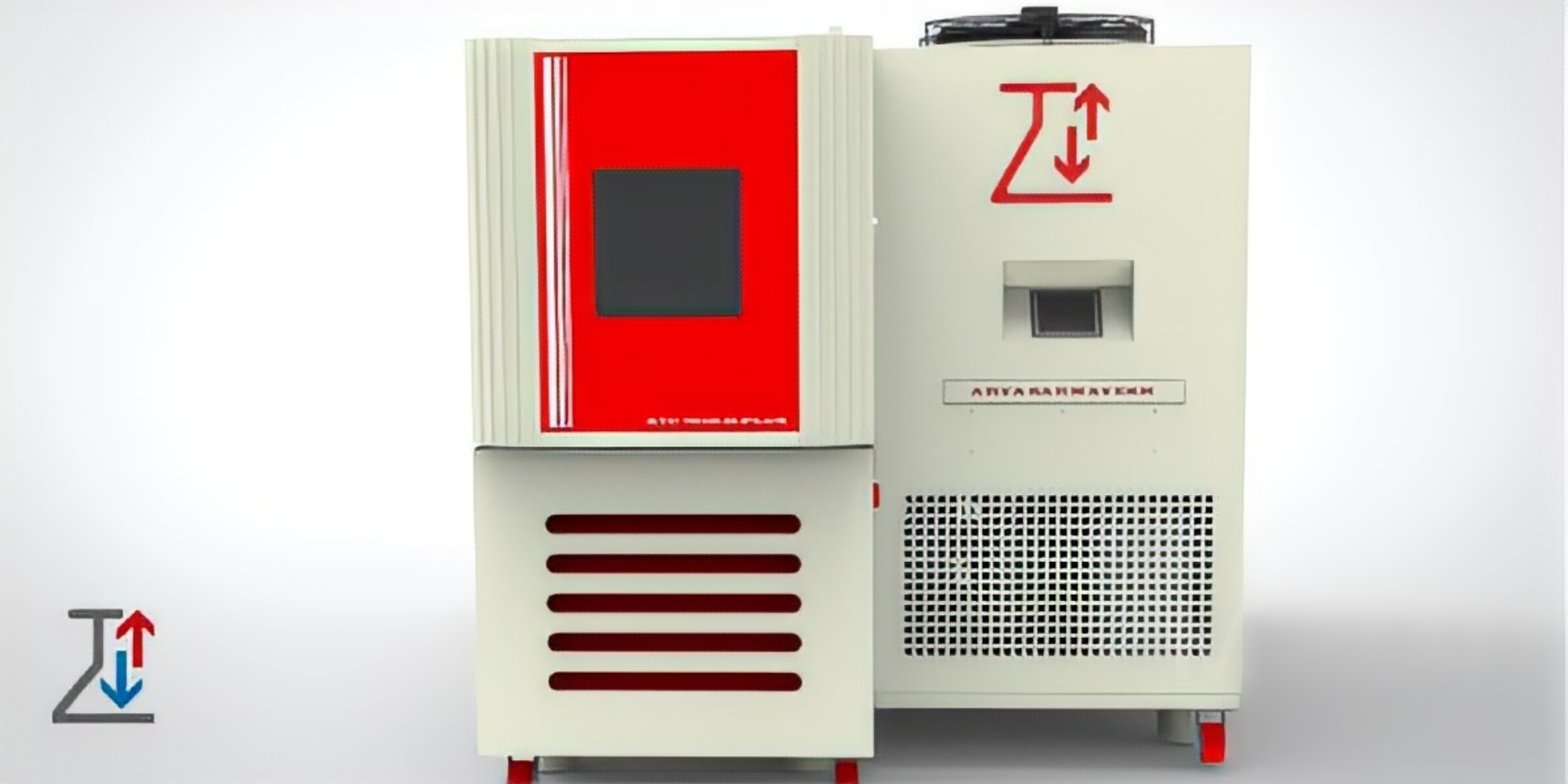
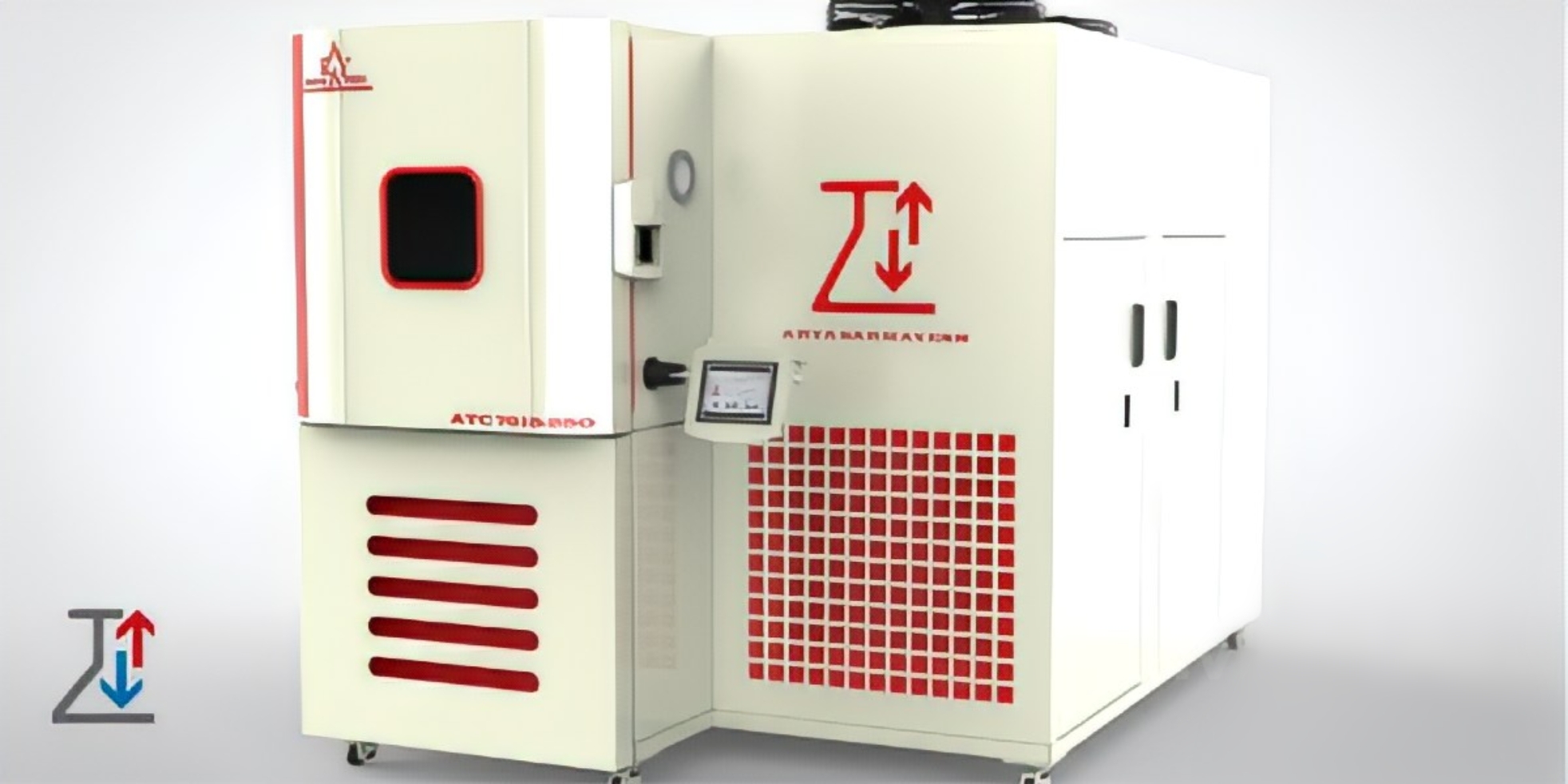
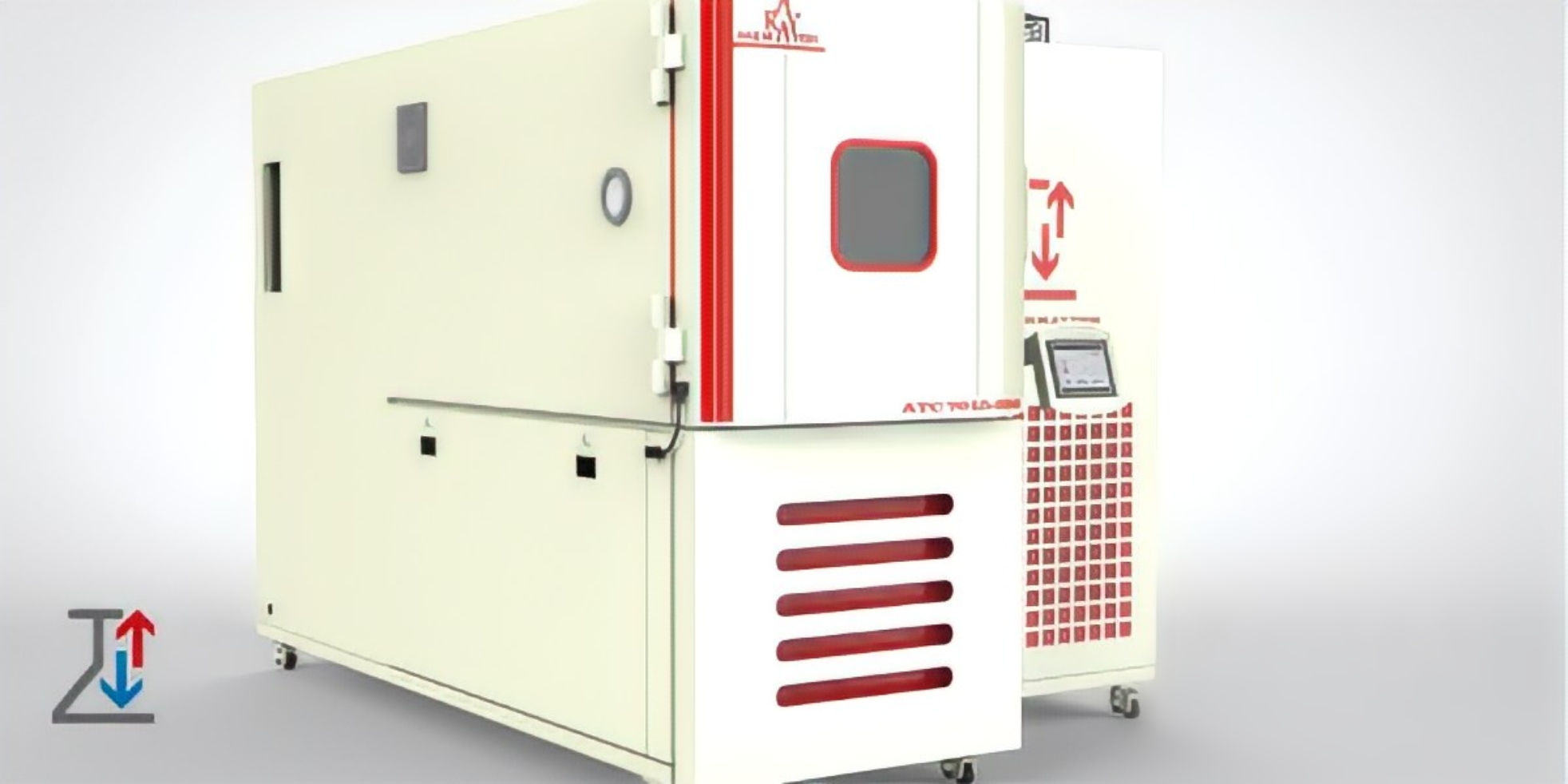
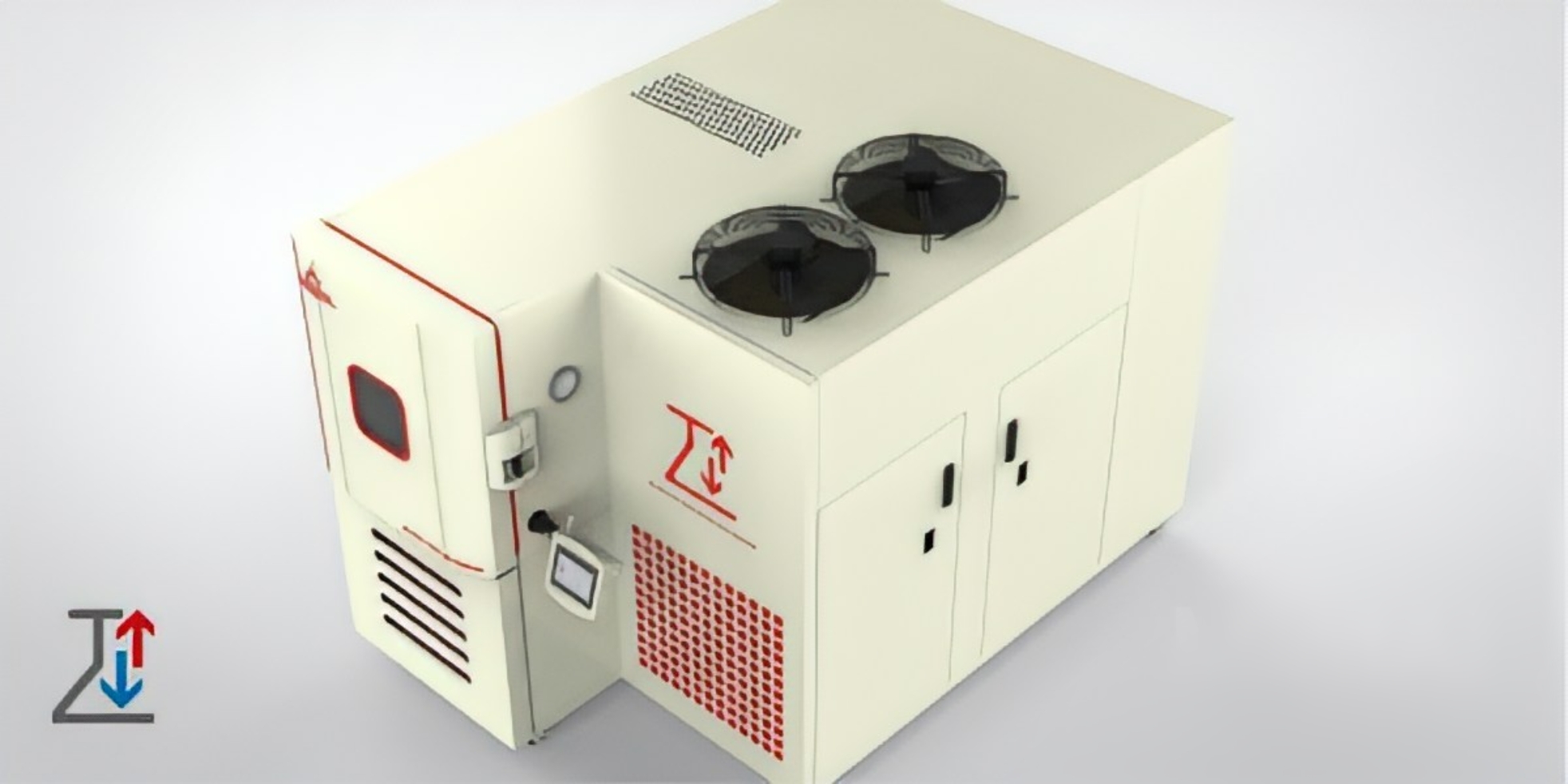
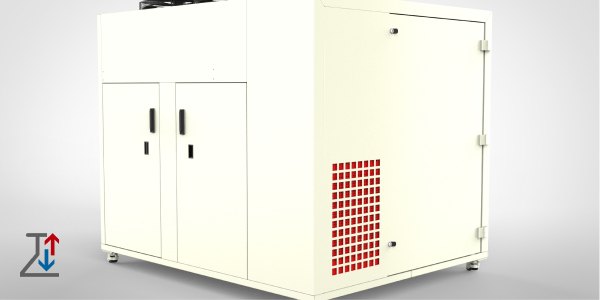
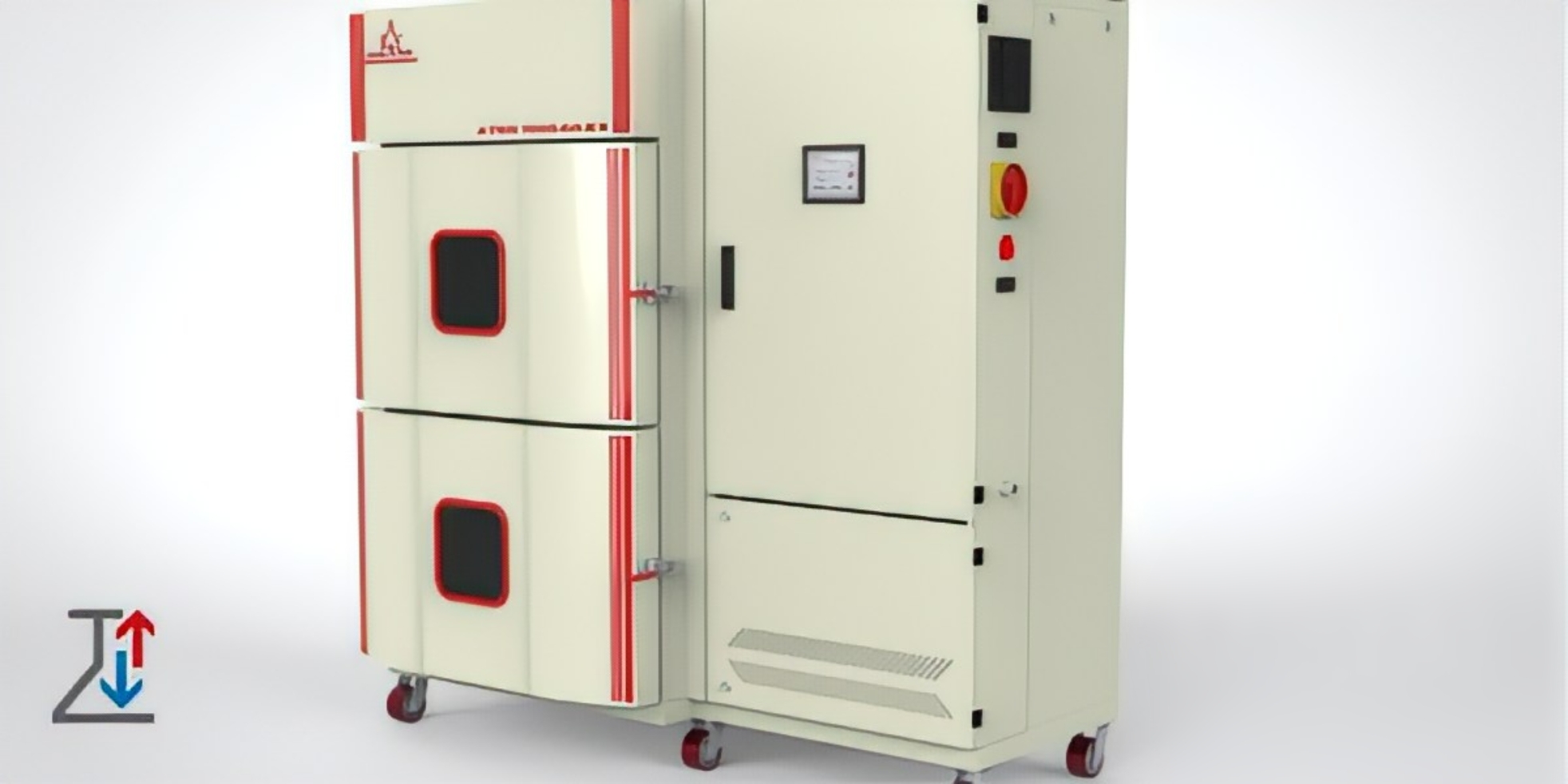
A thermal shock chamber is a specialized environmental test chamber designed to expose test specimens to rapid transitions between hot and cold temperature conditions. By repeatedly transferring a specimen between controlled temperature zones, the chamber creates thermal stress that can reveal weaknesses, defects, and potential failure mechanisms in materials and products.
Thermal shock testing is widely used to evaluate the reliability and durability of electronic components, automotive parts, aerospace components, semiconductor devices, and other products that may experience sudden temperature changes during operation, transportation, or service.
What is a Thermal Shock Chamber?
A thermal shock chamber is designed to expose a test specimen to rapid changes between controlled hot and cold temperature conditions. Unlike conventional temperature chambers, which typically change the chamber temperature gradually, a thermal shock chamber is designed to create a rapid temperature transition that places significant thermal stress on the test specimen.
By repeatedly exposing a product or material to hot and cold conditions, thermal shock testing can reveal defects, weak points, material incompatibilities, and other potential failure mechanisms caused by repeated thermal expansion and contraction.
Thermal shock chambers are commonly used to evaluate the reliability and durability of electronic components, automotive parts, aerospace components, semiconductor devices, and other products that may be exposed to rapid temperature changes during operation, transportation, or service.
Key Features of a Thermal Shock Chamber
Thermal shock chambers are designed to provide rapid and repeatable transitions between controlled hot and cold temperature conditions. Depending on the chamber configuration and test requirements, key features include:
- Dual Temperature Zones
- Rapid Temperature Change
- Temperature Range
- Precise Temperature Control
- Programmable Testing
- Multiple Cycle Testing
- Fast Transfer Mechanism
- High-Performance Cooling System
- High-Performance Heating System
- Temperature Uniformity
- Automated Testing
- Data Logging and Reporting
- Touchscreen Interface
- Time Monitoring
- Overheat Protection
- Cold Zone Subcooling
- Safety Alarms
- High and Low-Temperature Alarms
- Energy Efficiency
- Programmable Hold Time
- Humidity Control
- Ethernet Connectivity
- Software Integration
- Test Sample Capacity
- Compact Design
- Large Chamber Options
- Corrosion Resistance
- Fast Recovery Time
- Customizable Temperature Rates
- Heat Insulation
- Low Noise Operation
- Increased Temperature Stability
- Test Chamber Observation Window
- Cooling Time Optimization
Hot Air Flow Circulation - Advanced Refrigeration System
- Cold Plate Technology
- Test Sample Holder
- Full Compliance with Standards
- Temperature Gradient Control
- Flexible Testing Configurations
- Test Item Protection
- Multiple Cycle Profiles
- Touchscreen Calibration
- Fast Temperature Recovery
- Overcurrent Protection
- Low-Temperature Saturation
- Energy Consumption Monitoring
- Automated Fault Detection
- Temperature Deviation Logging
- User-Defined Settings
- Compatibility with Environmental Chambers
- Continuous Test Monitoring
How a thermal shock chamber simulates extreme temperature changes
A thermal shock chamber simulates extreme temperature changes by rapidly transferring a test specimen between controlled hot and cold temperature zones. Instead of gradually changing the temperature of a single test space, the chamber maintains the hot and cold zones at their respective set points and moves the specimen between them according to a programmed test cycle.
During the test, the specimen is exposed to a defined temperature for a specified dwell time before being transferred to the opposite temperature zone. This rapid transition between hot and cold conditions creates thermal stress caused by repeated heating and cooling, helping to reveal weaknesses, defects, and potential failure mechanisms in materials and components.
Different Types of Thermal Shock Chambers
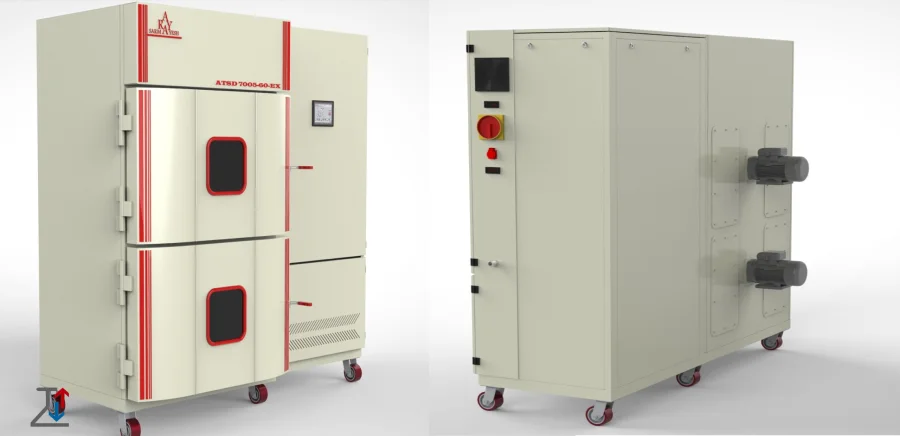
Thermal shock chambers are available in different configurations to meet various testing requirements. They can be classified based on the number of temperature zones, such as two-zone and three-zone designs, as well as the direction in which the test specimen is transferred between zones. Understanding these configurations can help you select the most suitable thermal shock chamber for your testing requirements.
1- Two-zone thermal chamber
A two-zone thermal shock chamber is the most basic and commonly used configuration. It consists of two separate zones: one for heating and one for cooling. The test sample is typically moved between these two zones, exposing it to both extreme hot and cold temperatures. This type of chamber is ideal for testing products that need to endure rapid thermal transitions between two distinct temperature extremes.
How It Works: In a two-zone system, the product is moved from one zone to the other. The heating zone uses elements like infrared lamps or resistive heaters to quickly raise the temperature, while the cooling zone employs refrigeration systems or cryogenic liquids (like liquid nitrogen) to rapidly cool the sample.
Use Cases: Two-zone chambers are suitable for products that need to be subjected to extreme heat and cold in a relatively short amount of time.
2- Three-Zone Thermal Shock Chamber
A three-zone thermal shock chamber adds an intermediate zone between the heating and cooling areas. This middle zone, often referred to as the “transition zone,” allows for a more gradual change in temperature. The primary advantage of this design is that it can reduce the stress caused by sudden temperature shifts, making it ideal for more delicate products or materials that require slower transitions to avoid immediate failure.
How It Works: The three-zone chamber is divided into three distinct temperature regions: a hot zone, a cold zone, and a transition zone.
The test specimen is typically transferred through all three zones, first entering the hot zone, then moving through the transition zone before reaching the cold zone, or vice versa. This gradual movement reduces the thermal shock on the sample.
Use Cases: Three-zone chambers are often used for high-precision applications, such as aerospace, medical device testing, or research into new materials that may be sensitive to extreme thermal changes. The transition zone allows for a more accurate simulation of real-world conditions, especially in industries where components experience gradual temperature shifts, such as in high-altitude environments or during transport.
3- Vertical vs. Horizontal Thermal Shock Chamber
While the two and three-zone configurations are the most critical distinction, thermal shock chambers can also be categorized by how they move the test sample.
Vertical Thermal Shock Chambers: In vertical models, the sample is lifted or dropped vertically from one zone to the other. This type is often used for testing smaller items or items that may not require a continuous transfer system.
Horizontal Thermal Shock Chambers: In horizontal models, the sample is moved from one zone to the other along a horizontal conveyor or rail system. This type is more suitable for larger or bulk items, or when faster sample transfer is required.
Which thermal shock chamber should be used for tests that move the test subject?
For tests where the physical movement of the test specimen does not affect the test results, a thermal shock chamber equipped with a movable lifting basket can be an effective solution. The lifting mechanism rapidly transfers the specimen between the hot and cold zones, allowing it to undergo controlled and repeatable thermal transitions. This type of testing can help identify temperature-related weaknesses and potential failure mechanisms before products are deployed in real-world conditions.
Specialized Thermal Chamber Design:
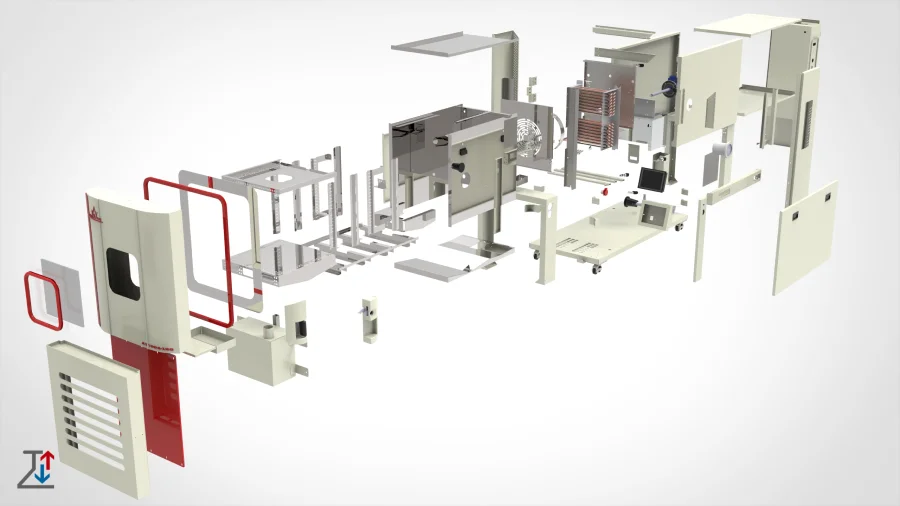
Thermal shock chambers can be customized to meet specific testing requirements, depending on the type of test, test specimen, and required environmental conditions. Customization may include chamber size, temperature range, heating and cooling performance, control systems, and other test-specific requirements.
We provide customizable thermal shock chamber configurations for different industries and testing applications. Depending on your requirements, the chamber can be configured with specific temperature ranges, chamber dimensions, control systems, humidity control, and other specialized features.
For sensitive electronic components, specialized configurations can be considered to minimize vibration and electromagnetic interference. For applications requiring altitude simulation, pressure-control systems can also be integrated to reproduce specified high-altitude conditions. Our engineering team can work with customers to define the chamber configuration according to the required test conditions and product specifications.
Purpose of a Thermal Shock Chamber:
The main purpose of a thermal shock chamber is to expose materials, components, or products to rapid and controlled changes between extreme temperature conditions. These tests help identify vulnerabilities, weaknesses, and potential defects that may occur when products experience sudden temperature changes during their service life.
By exposing test specimens to controlled thermal conditions, engineers and researchers can evaluate the effects of thermal shock, identify potential failure mechanisms, and improve product designs for better performance and reliability.
Below are some of the key purposes of using a thermal shock chamber:
- Material Resilience
- Detect Structural Weaknesses
- Accelerated Aging Testing
- Assess Electronic Component Reliability
- Quality Control in Manufacturing
- Regulatory Compliance and Certification
- Optimize Product Design
- Test Adhesion of Coatings and Materials
- Prevent Product Failures in Extreme Environments
Operating Principles of a Thermal Shock Chamber
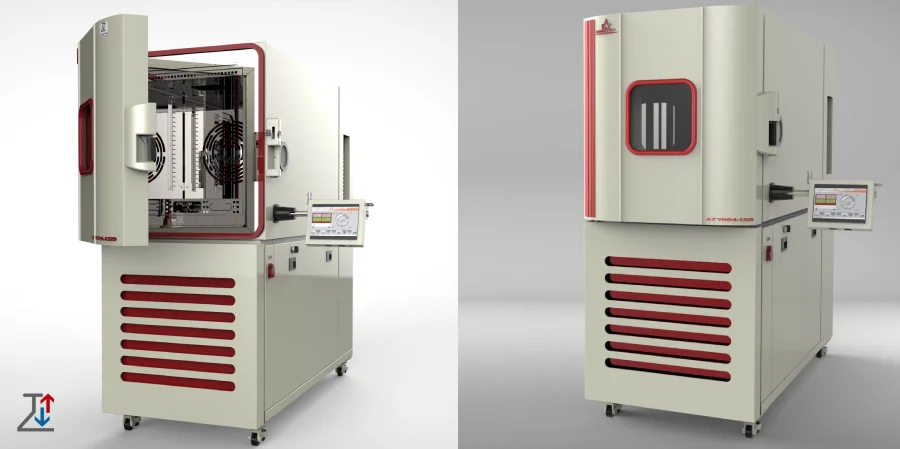
A thermal shock chamber operates by exposing a test specimen to controlled hot and cold temperature conditions according to a programmed test cycle. Depending on the chamber configuration, the specimen may be transferred between separate temperature zones or exposed to controlled temperature transitions using specialized heating and cooling systems.
Two-Zone or Three-Zone Chambers: In a two-zone thermal shock chamber, separate hot and cold zones are maintained at their respective set temperatures, and the test specimen is rapidly transferred between them. In a three-zone configuration, an additional transition zone is positioned between the hot and cold zones to control the conditions during transfer between the two extreme temperature environments.
Rapid Temperature Transitions: Thermal shock chambers use high-performance heating and cooling systems to maintain the required hot and cold conditions and enable rapid transitions between them. Depending on the chamber design, forced-air circulation, mechanical refrigeration, or other specialized cooling technologies may be used to achieve the required test temperatures.
Temperature Ramp and Transition Rates: Thermal shock chambers can be configured and programmed according to specified heating, cooling, and transition requirements. These parameters determine how quickly the test specimen experiences changes in temperature and are important for reproducing the thermal stresses expected during service conditions. Depending on the chamber design, specifications may include heating and cooling rates, temperature stability, and the transfer time between hot and cold zones.
Benefits of Using a Thermal Shock Chamber:
Thermal shock testing helps manufacturers identify temperature-related weaknesses before products are introduced into the market. By exposing materials, components, and finished products to controlled thermal stress, engineers can evaluate their reliability and durability under demanding environmental conditions.
Key benefits of using a thermal shock chamber include:
- Enhances Product Reliability
- Accelerates Product Development
- Detects Material and Product Defects Early
- Reduces the Risk of Product Failures
- Improves Product Quality and Customer Satisfaction
- Supports Testing Across Multiple Industries
- Reduces Long-Term Testing and Failure Costs
Why Thermal Shock Testing is Critical for Product Durability
Thermal shock testing helps evaluate how materials, components, and products respond to rapid changes between extreme temperature conditions during their service life. Rapid heating and cooling can cause different materials to expand and contract at different rates, creating thermal stresses that may lead to cracks, deformation, delamination, loss of adhesion, or other forms of damage.
These effects can be particularly important for products exposed to demanding environmental conditions. For example, electronic components may experience rapid changes between hot operating conditions and cold outdoor environments, while automotive and aerospace components may encounter significant temperature variations during operation, transportation, or storage.
By exposing products to controlled thermal shock conditions during development and qualification testing, manufacturers can identify potential weaknesses and failure mechanisms before products are deployed in real-world environments. The results can then be used to improve material selection, component design, manufacturing processes, and overall product reliability.
Key objectives of thermal shock testing include:
- Evaluate Product Performance Under Thermal Stress
- Identify Potential Design and Material Weaknesses
- Reduce the Risk of Temperature-Related Failures
- Support Product Development and Qualification
Application of a Thermal Shock Chamber
Thermal shock chambers are used across a wide range of industries to evaluate how materials, components, and products respond to rapid changes between extreme temperature conditions. By reproducing controlled hot and cold temperature transitions, thermal shock testing helps manufacturers identify potential weaknesses and evaluate product reliability under demanding environmental conditions.
Common applications include:
- Electronics: Testing circuit boards, semiconductors, electronic components, and assemblies
- Automotive: Evaluating engine components, automotive electronics, plastics, and other vehicle components
- Aerospace: Evaluating materials and components exposed to severe temperature variations during operation, transportation, or high-altitude conditions
- Medical Devices: Evaluating the durability and performance of medical devices, instruments, and selected components under thermal stress
- Consumer Products and Packaging: Testing consumer products, packaging materials, and components that may experience rapid temperature changes during transportation, storage, or use
Arya Sarmayesh Thermal Shock Chamber Configurations
Thermal shock chambers can be designed in different configurations depending on the required test method, specimen size, transfer mechanism, available installation space, and performance requirements. Arya Sarmayesh offers several thermal shock chamber configurations for different testing applications.
1. Vertical Thermal Shock Chambers
Vertical thermal shock chambers use a vertically moving basket or lifting mechanism to transfer test specimens between controlled hot and cold temperature zones. This configuration is suitable for applications requiring rapid and repeatable temperature transitions.
Available configurations include:
- Test space volume: 60 to 500 liters
- Hot chamber temperature range: +50°C to +220°C
- Cold chamber temperature range: −70°C to +100°C
- Maximum movable basket load: 22 to 100 kg
- Hot-to-cold changeover time: less than 11 seconds
- Heating and cooling performance depends on the chamber size and selected configuration.
2. Vertical Thermal Shock Chambers with External Compressor Unit
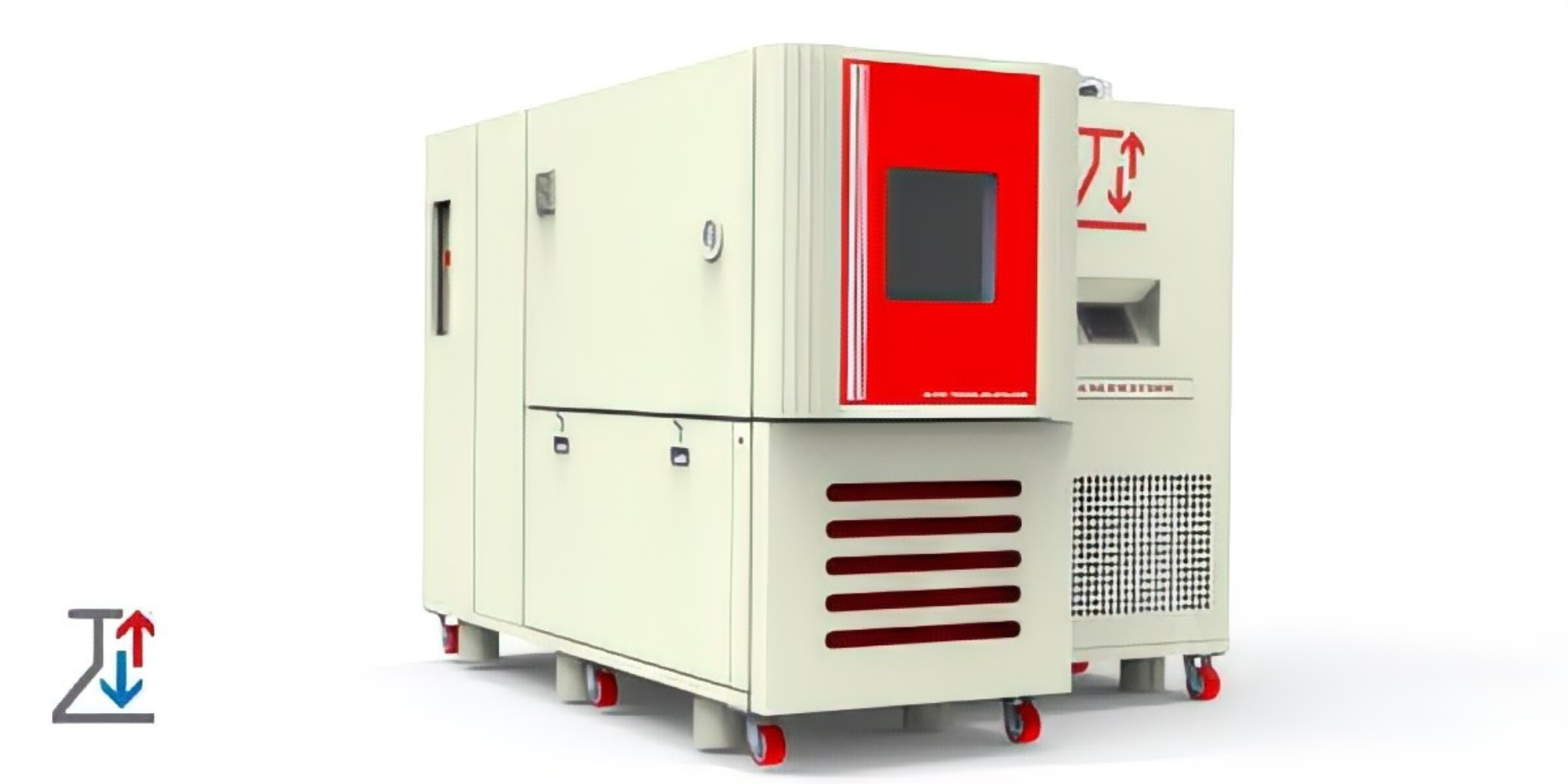
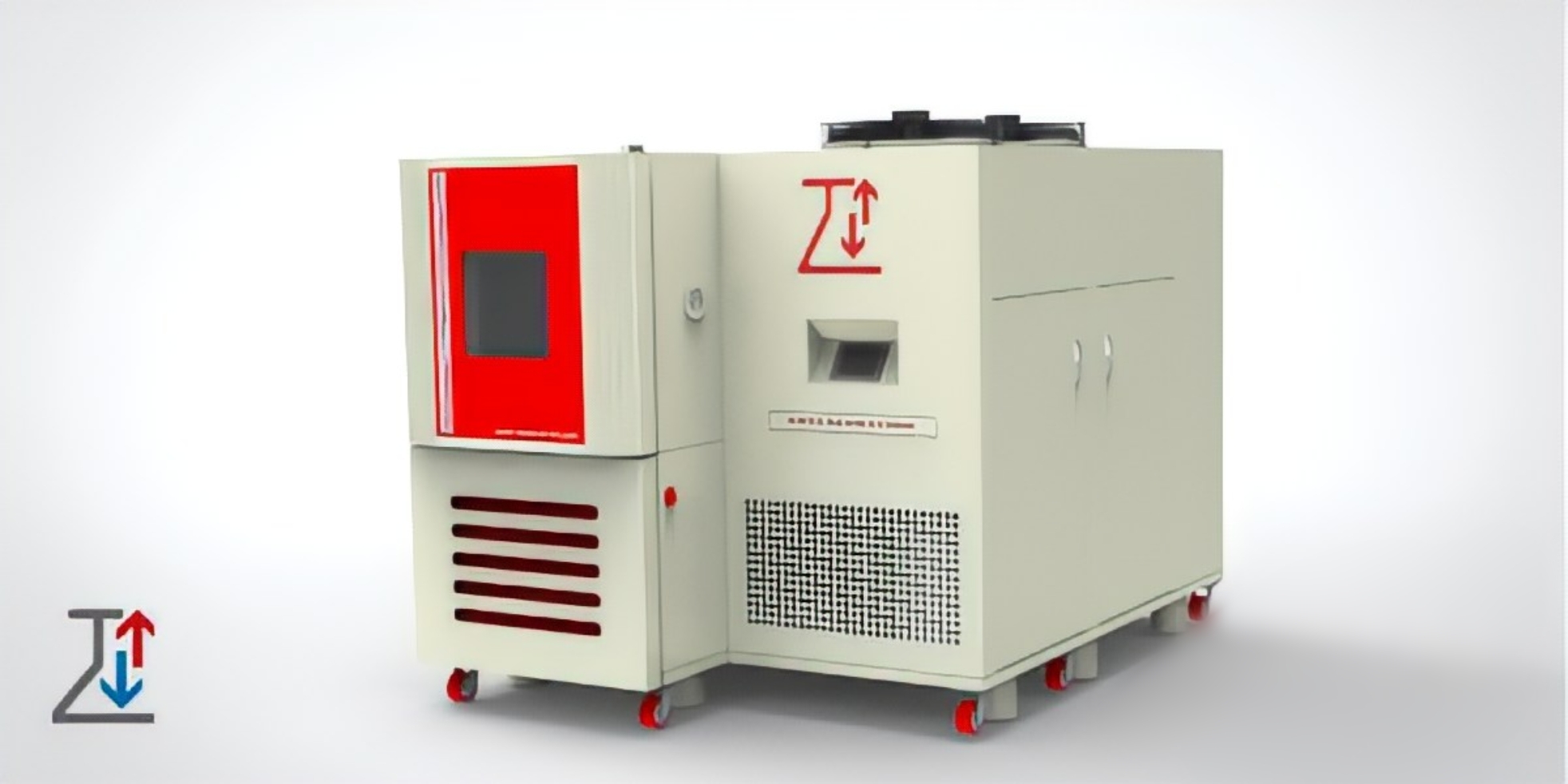
These chambers use a vertical specimen transfer system combined with a separate external machine or compressor unit. This configuration can be suitable for applications that require higher thermal performance or specific installation and equipment layout requirements.
Available configurations include:
- Test space volume: 200 to 500 liters
- Hot chamber temperature range: +50°C to +220°C
- Cold chamber temperature range: −70°C to +100°C
- Maximum movable basket load: up to 100 kg
- Hot-to-cold changeover time: less than 11 seconds
- Selected configurations can provide higher heating and cooling performance.
3. Damper Thermal Shock Chambers
Damper thermal shock chambers use a different operating principle in which controlled airflow and dampers are used to expose the test specimen to hot and cold temperature conditions. This configuration can provide rapid temperature changes without transferring the test specimen between separate chambers.
Available configurations include:
- Test space volume: 60 or 210 liters
- Hot pre-tempering chamber: +50°C to +225°C
- Cold pre-tempering chamber: −70°C to 0°C
- Test space temperature range: −65°C to +200°C
- Maximum test space floor load: up to 100 kg
- Temperature performance and adaptation time depend on the selected test conditions
Thermal Shock Testing Standards
Thermal shock chambers can be designed and configured to support testing in accordance with applicable international, automotive, military, and industry-specific standards. Depending on the required test procedure, parameters such as temperature range, dwell time, transition time, and number of cycles can be defined according to the relevant testing requirements.
Our thermal shock chambers can be configured for a wide range of temperature stress and thermal shock testing applications, including requirements based on standards such as IEC 60068-2-14, MIL-STD-202, MIL-STD-883, and MIL-STD-810G, as well as applicable automotive and industry-specific test standards.
Additional test procedures and customer-specific requirements can also be considered when configuring the chamber.
Why Is Thermal Shock Testing Important?
Thermal shock testing is an important part of product validation for materials, components, and products that may experience rapid changes between extreme temperature conditions. Repeated exposure to thermal stress can cause different materials to expand and contract at different rates, potentially resulting in cracks, deformation, delamination, loss of functionality, or other failures.
By identifying these temperature-related weaknesses during product development and qualification, manufacturers can improve product reliability, verify performance requirements, and reduce the risk of failures in real-world applications.
Key reasons why thermal shock testing is important include:
- Product Durability and Reliability
- Quality Control and Product Validation
- Compliance with Industry Standards
- Cost Savings Through Early Failure Detection
Thermal Shock Chamber Price
The price of a thermal shock chamber depends on several factors, including chamber size, temperature range, heating and cooling performance, test space capacity, transfer mechanism, control system, and required customization. Different chamber configurations and technical specifications can therefore result in significant differences in the final price.
At Arya Sarmayesh, thermal shock chambers are designed and manufactured according to the required test conditions and application. Depending on the project requirements, we can provide different chamber configurations, capacities, temperature ranges, and control options. Custom features and specialized systems may also affect the overall cost of the equipment.
Because thermal shock chambers are industrial testing systems and their specifications vary according to the application, we recommend determining the required technical configuration before requesting a price. Our engineering team can help define the appropriate chamber specifications and provide a quotation based on the required testing conditions.
For a free consultation with our experts, please contact us.
Purchase of thermal shock chambers:
Purchasing a thermal shock chamber involves more than selecting a test chamber based on price alone. The appropriate configuration depends on the required temperature range, test space, heating and cooling performance, transfer mechanism, test standards, and specific application requirements.
At Arya Sarmayesh, our engineering team works with customers to determine the appropriate technical specifications and configuration for their testing requirements. We can support the process from initial technical consultation and chamber design through manufacturing, testing, installation, and operator training.
Depending on the project requirements, our support can include technical consultation, customized chamber design, installation assistance, and troubleshooting. The equipment can also be configured according to the required test conditions and applicable testing standards.
The typical purchase process includes:
- Requirement Assessment: Defining the required temperature range, test space, test specimen, and testing conditions.
- Technical Specification: Selecting the appropriate chamber configuration, capacity, control system, and performance requirements.
- Quotation and Design: Preparing the technical and commercial proposal based on the specified requirements.
- Manufacturing and Testing: Manufacturing the chamber and verifying its performance according to the agreed specifications.
- Installation and Training: Supporting installation and providing the necessary training for operating the equipment.
- After-Sales Support: Providing technical assistance and troubleshooting support when required.
Aryasarmayesh Company is proud to have provided the conditions to produce thermal shock chambers to test combustible and flammable chemical materials for your convenience, dear buyers.
Aryasarmayesh thermal shock chamber can be equipped with an external dry air production system, which can prevent the formation of dew on the test piece and will be optional.
Thermal chambers expose products to extreme temperature changes, shifting rapidly between hot and cold zones. They’re used to test materials and components for thermal stress tolerance, often in electronics, automotive, and aerospace industries where rapid temperature shifts are common.