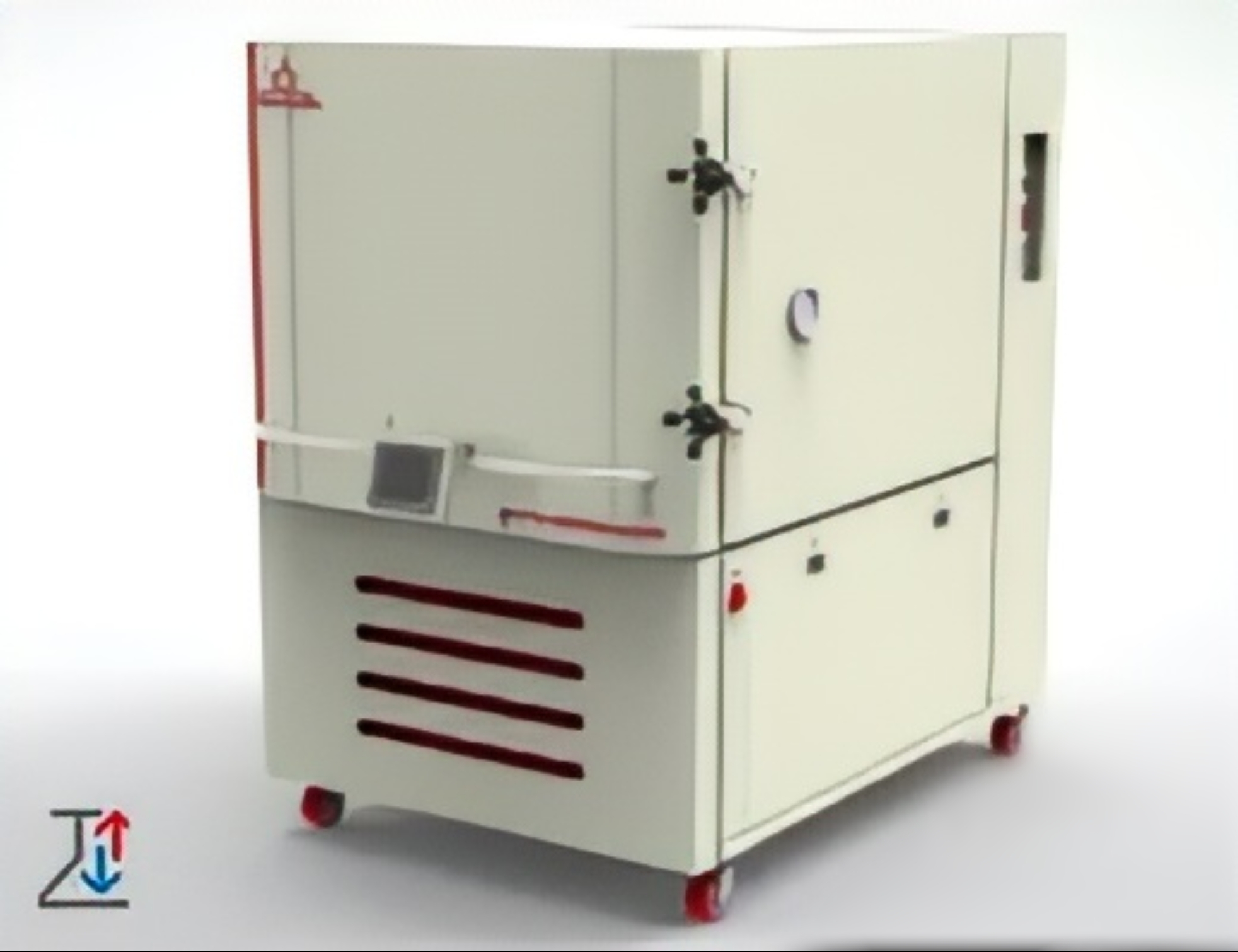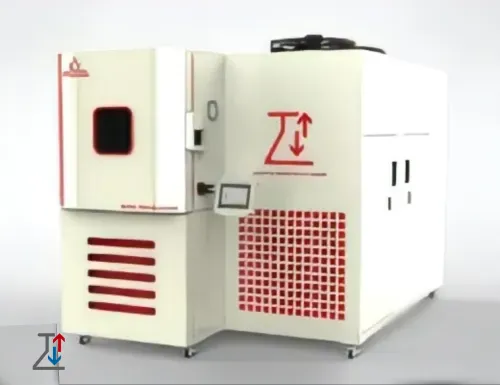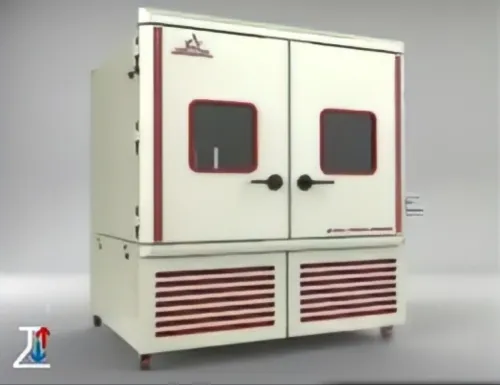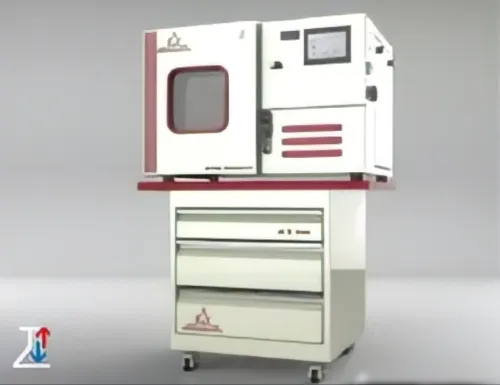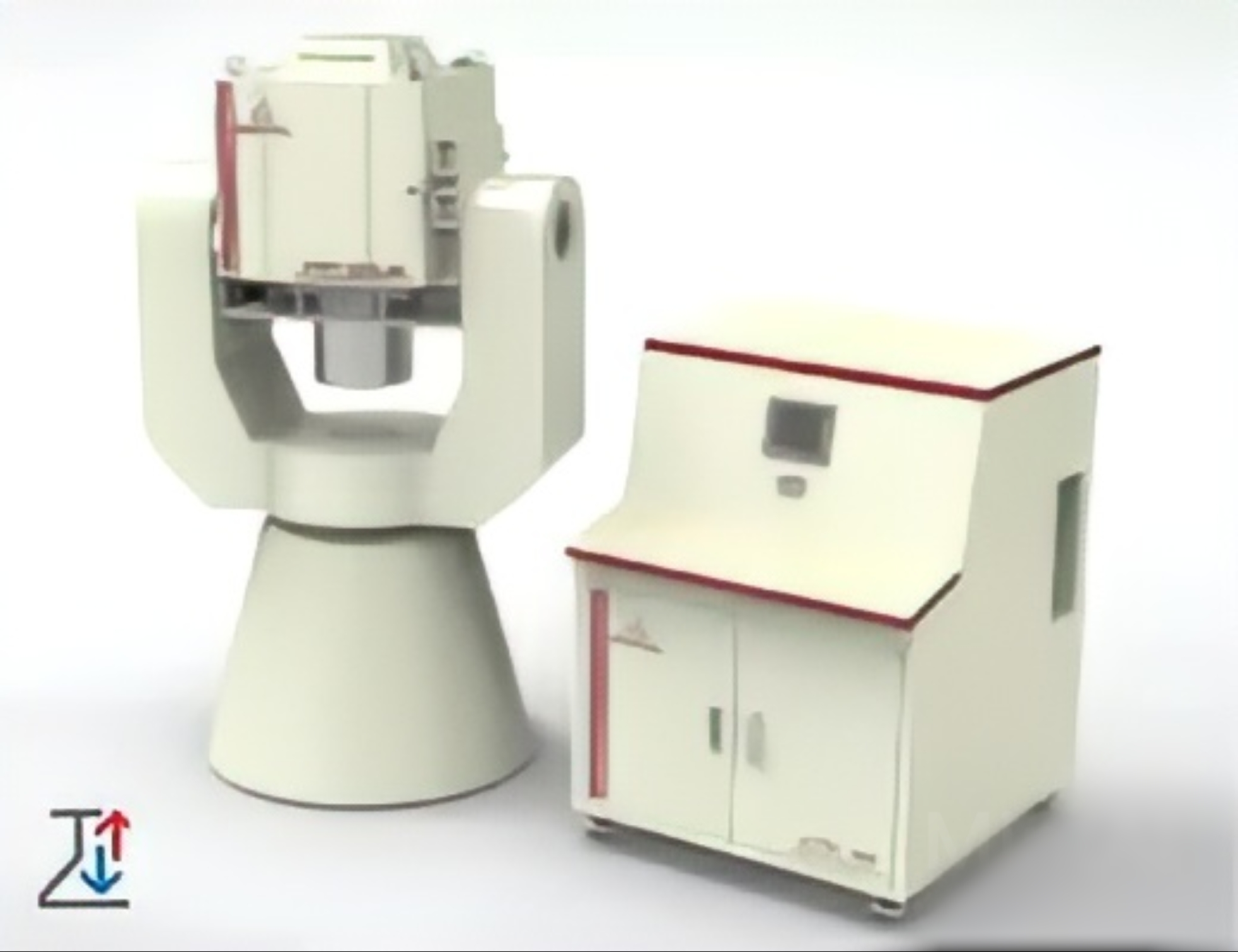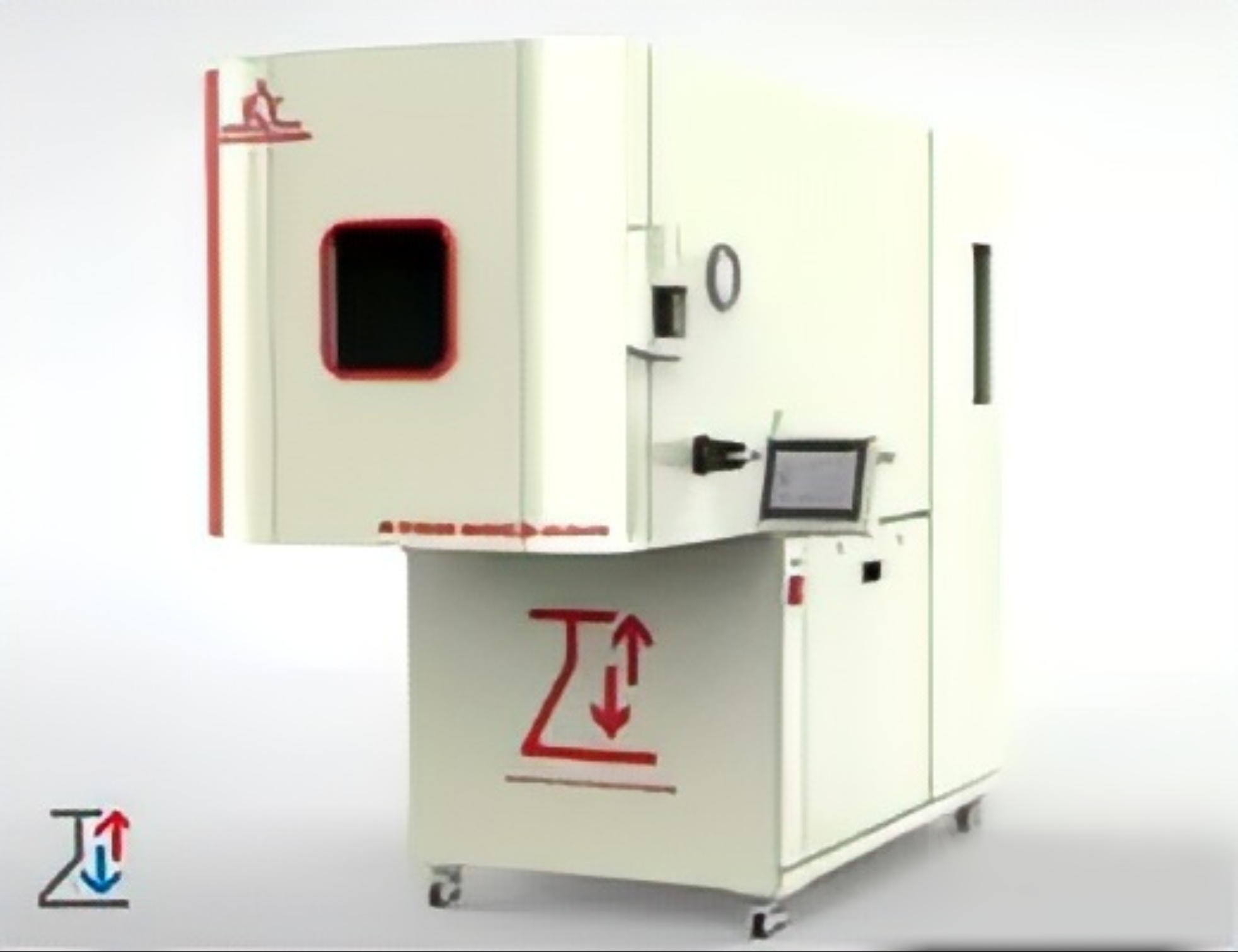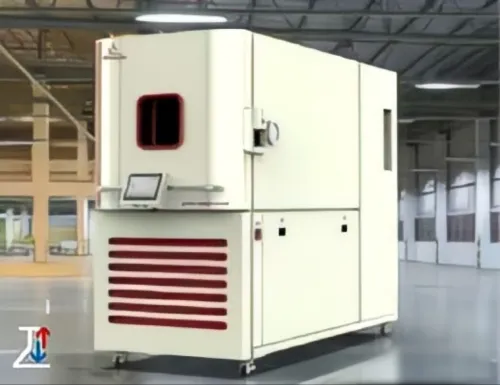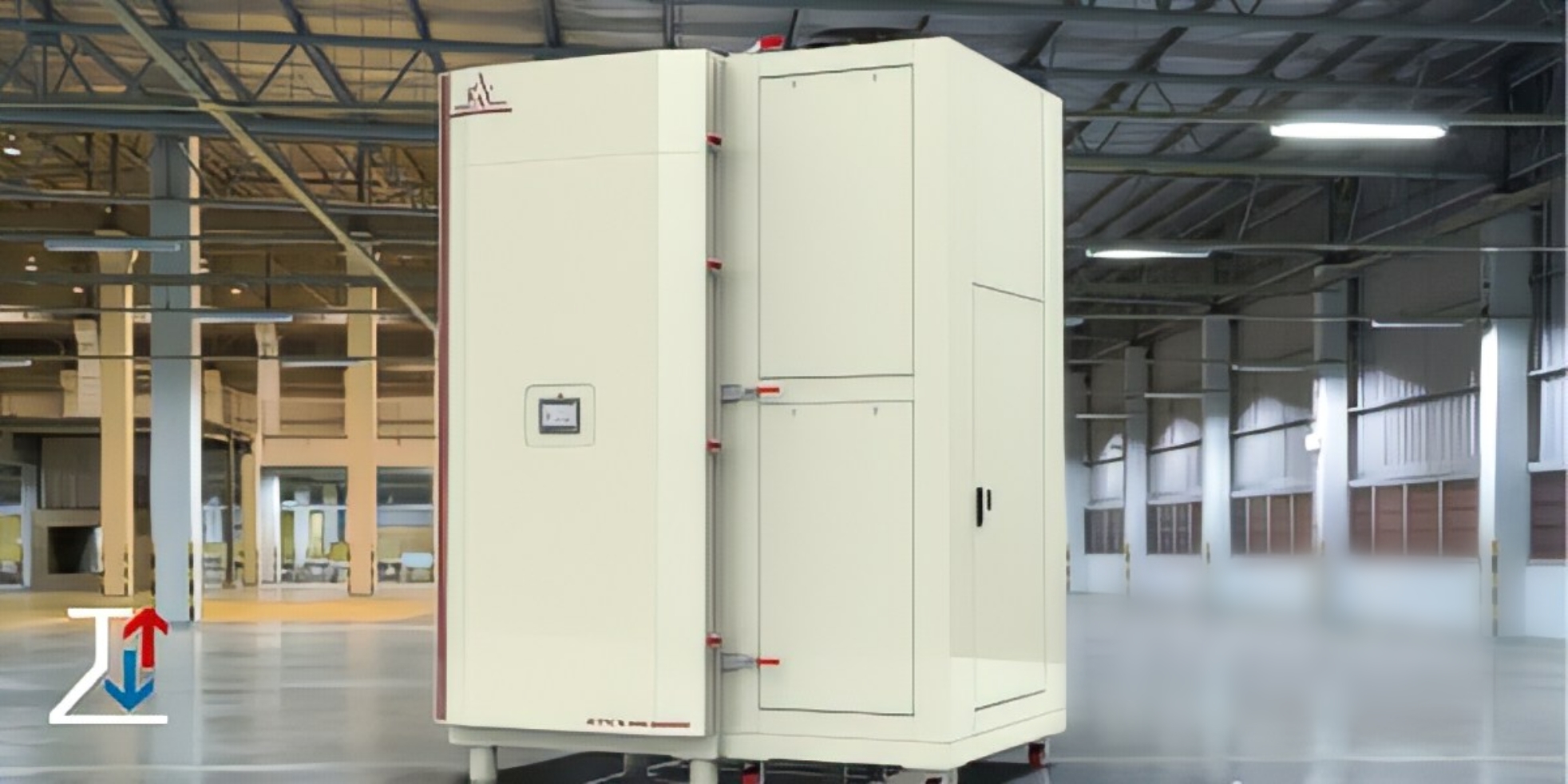
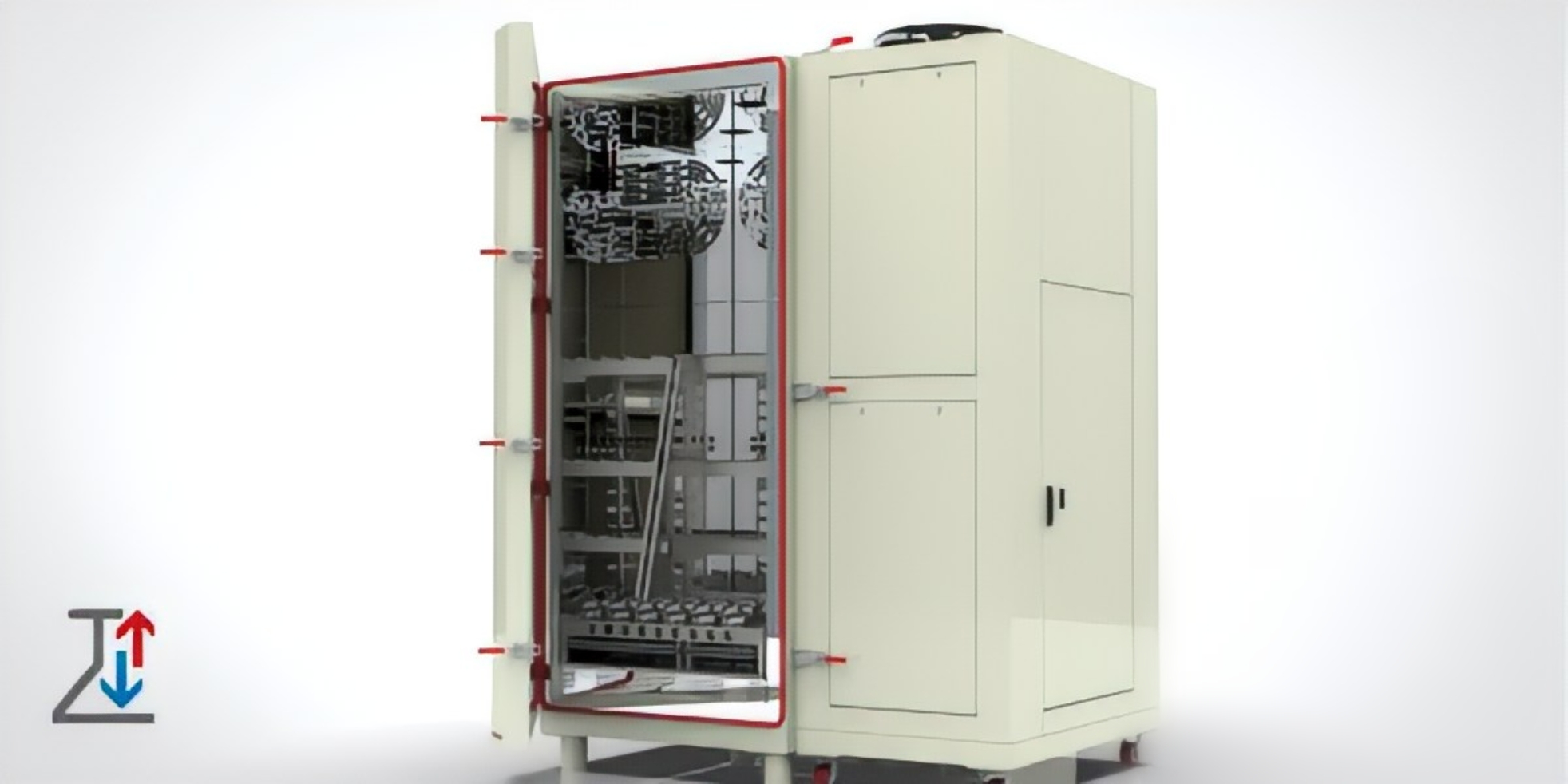
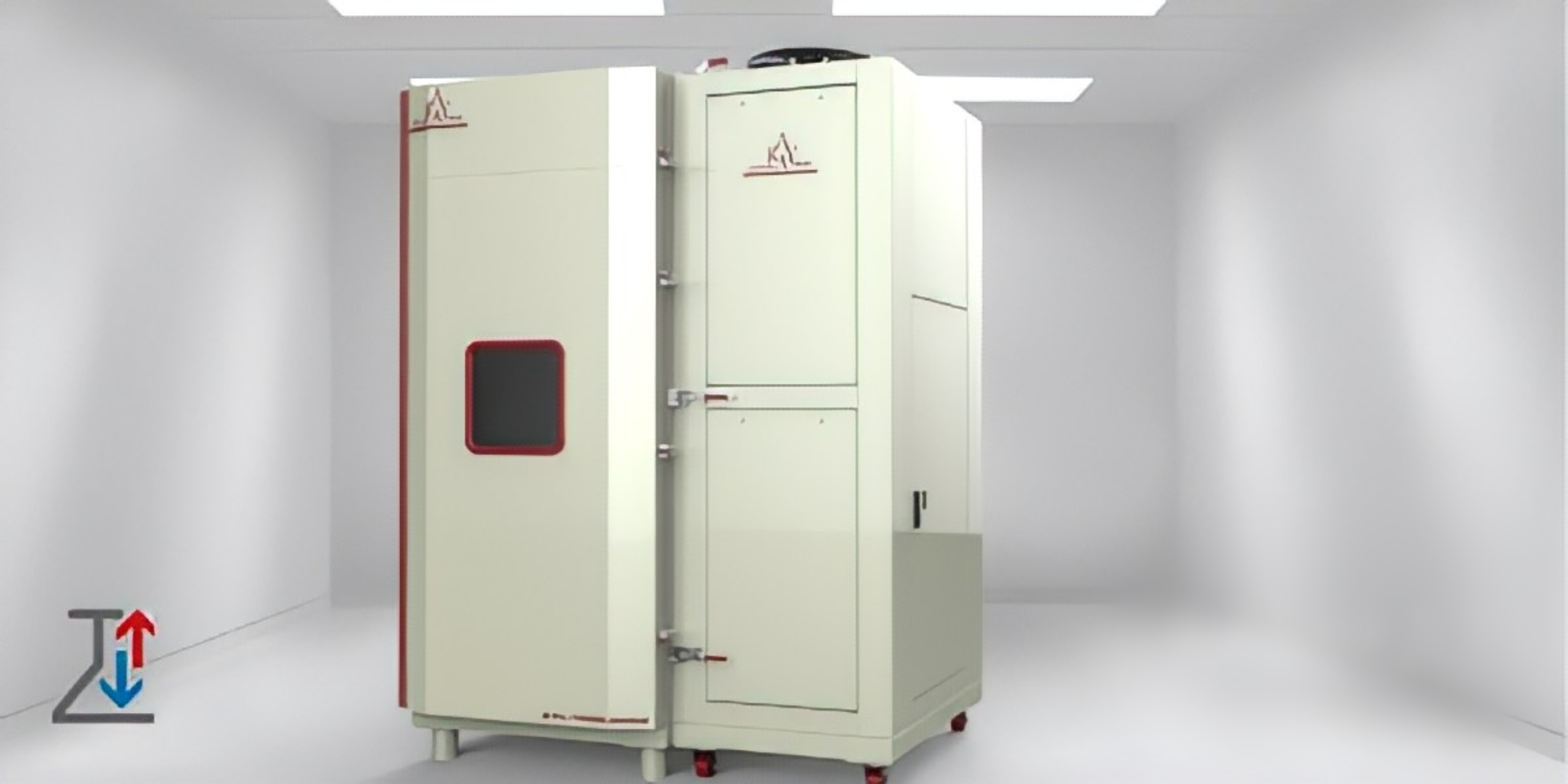
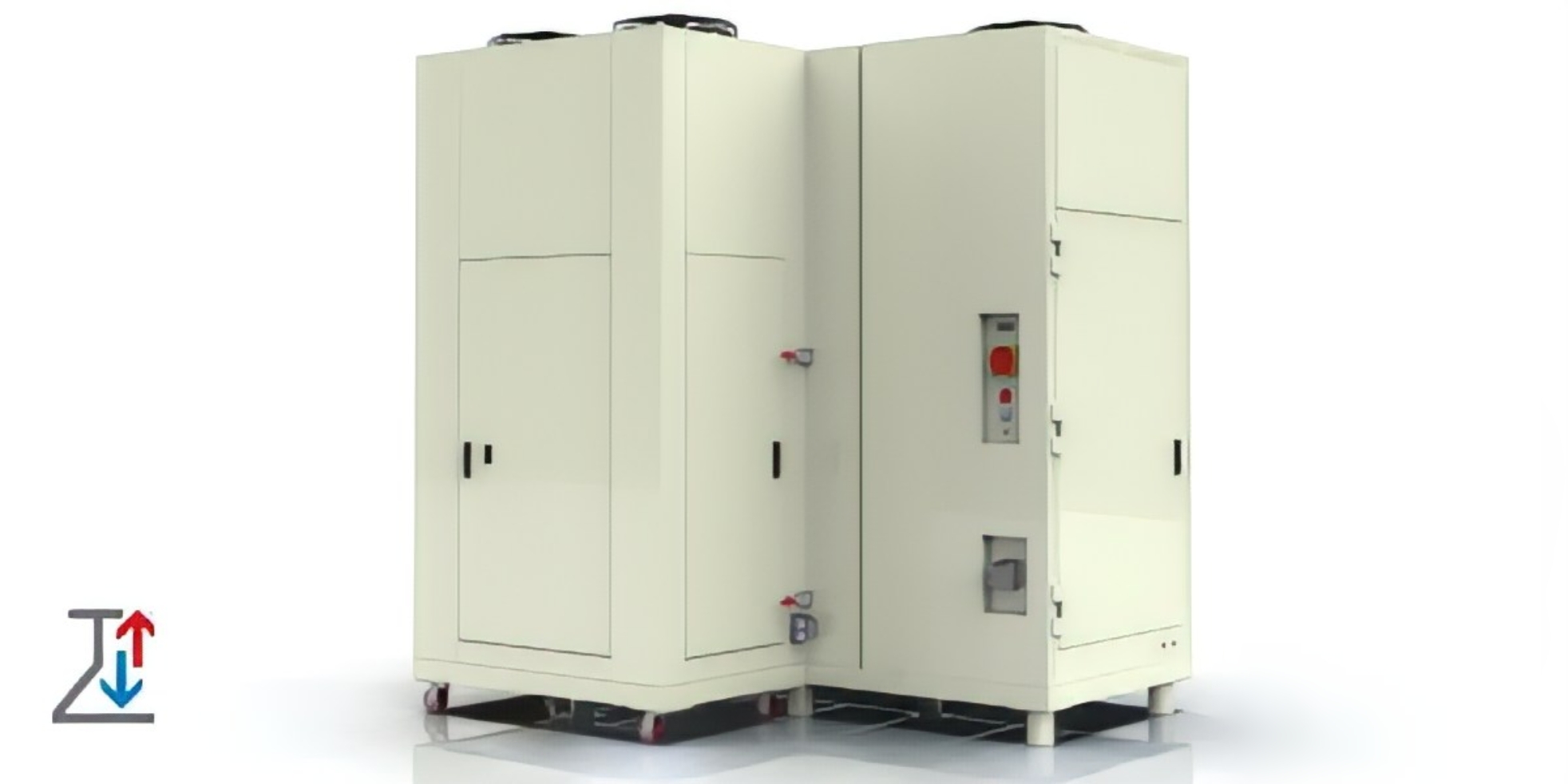
In today’s world, products and materials are often exposed to solar radiation and other environmental stresses throughout their service life. A Solar Radiation Test Chamber provides a controlled environment for evaluating how materials, components, and products respond to simulated solar radiation. These systems are also widely used for UV testing, which is why they are commonly referred to as UV chambers in many testing applications.
A UV chamber can be used to expose test specimens to controlled radiation while maintaining defined environmental conditions. This helps engineers and manufacturers evaluate changes in material appearance, performance, and durability following exposure to solar radiation.
Solar radiation testing is used across industries such as automotive, electronics, plastics, coatings, and renewable energy. By controlling radiation intensity and temperature, a Solar Radiation Test Chamber enables repeatable testing conditions and provides useful data for evaluating the long-term performance of products and materials.
What Is a UV Chamber?
A UV chamber is a controlled testing environment designed to replicate the effects of solar radiation and prolonged sunlight exposure under controlled conditions. By reproducing controlled radiation exposure, these chambers allow manufacturers and engineers to evaluate how materials and products respond to UV radiation and environmental stress. Factors such as UV degradation, thermal stress, color fading, and material breakdown can be assessed under accelerated testing conditions.
Using fin plate fitting technology in evaporators and air condensers, plate converters in condensers, easy access to all equipment, and very high accuracy in performing cyclic and single-point tests, this series of UV chambers offers reliable and precise testing performance for a wide range of applications.
The use of advanced methods in the design of electrical and mechanical circuits, together with sophisticated control algorithms programmed by the software engineers in the automation department, represents an important part of the technology used in these systems. All production systems are equipped with user-friendly software offering a wide range of control and testing capabilities.
UV Chamber Technical Specifications
Aryasarmayesh UV chambers and Solar Radiation Test Chambers are available in standard configurations with test space volumes of 400 L, 600 L, 1000 L, and 3660 L. The chambers provide a controlled irradiance range of 400–1150 W/m² with ±5% irradiance uniformity.
The standard temperature range is -30°C to +100°C, with temperature variation over time of ±0.1 to ±0.5 K and temperature uniformity within the test space of ±0.5 to ±1.5 K. Factory temperature calibration is performed at +20°C and +80°C.
Depending on the chamber model, the heating rate ranges from 2.5 to 3.5 K/min, while the cooling rate ranges from 2.0 to 2.5 K/min. The standard models have heat compensation capacities ranging from 2300 W to 4700 W.
Custom UV Chamber Design
In addition to the standard configurations, Aryasarmayesh designs and manufactures custom UV chambers and Solar Radiation Test Chambers according to specific customer requirements. Chamber size, test space, irradiated test area, temperature conditions, irradiance requirements, and other specifications can be adapted to the intended testing application.
This flexibility allows manufacturers, laboratories, and research facilities to obtain a UV chamber designed specifically for their testing requirements, including applications that require configurations beyond the standard models.
Features of Aryasarmayesh UV chambers
Modern UV chambers incorporate several advanced features to ensure safety, efficiency, and reliability. Below are some specialized features:
- Material Compatibility
- Filters
- Humidity Control
- Safety Mechanisms
- Uniform UV Distribution
- Compact and Portable Designs
- Energy Efficiency
- Temperature Control
- Multi-Purpose Applications
- Real-Time Monitoring
- Customizable Interiors
- Easy Maintenance
- Compliance with Safety Standards
- Beautiful design with easy access for future repairs
- Taking advantage of high technical knowledge and a strong engineering team
- Complying with the relevant standards in the design of electrical circuits and
Cooling systems - Strong documentation, including electrical and mechanical diagrams, lists Consumable parts, installation guide, start-up, and guide
- Speed in providing after-sales service
- 24 months warranty
- Compelling and user-friendly control software
- Easy and quick installation
- Economical and low cost
- High speed in temperature change rate
In general, all Aryasarmayesh temperature chambers like UV chambers can be equipped with an internal dry air production system, which will be tested to prevent the formation of dew on the test piece and will be optional, and the letter ‘D’ will be added at the end of the model. Also, all Aryasarmayesh temperature chambers can be designed as explosion-proof, whose dimensions are the same as simple chambers, and only two letters, EX are added to the end of the model.
How Does a Solar Radiation Test Chamber Work?
The operation of a Solar Radiation Test Chamber involves several interconnected systems that work together to create controlled radiation and environmental conditions.
Simulation of Sunlight:
A xenon arc lamp, the heart of the system, generates light closely matching natural sunlight. Filters modify the output to replicate specific geographical or environmental conditions. This controlled radiation source allows UV chambers and solar radiation test systems to expose test specimens to repeatable radiation conditions.
Environmental Control:
By integrating temperature and humidity controls, the chamber can recreate harsh conditions such as desert heat or humid tropical environments. Controlled temperature conditions are particularly important when evaluating the effects of solar radiation on materials and products.
Exposure Cycles:
Programmable exposure cycles enable the simulation of day-night or seasonal changes, providing controlled and repeatable conditions for comprehensive product testing.
Data Collection:
Sensors continuously measure irradiance, temperature, and humidity, helping maintain accurate and repeatable test conditions throughout the test cycle.
Ensure UV & Heat Resistance with Cutting-Edge UV Chambers
UV radiation and excessive heat can weaken materials, fade colors, and reduce product performance. UV chambers allow industries to evaluate how products and materials withstand these environmental factors under controlled testing conditions.
Key features of modern UV chambers include:
✔ Programmable UV exposure cycles to simulate day-night transitions.
✔ Temperature and humidity control for precise environmental replication.
✔ High-intensity UV lamps for accelerated exposure testing.
By identifying potential vulnerabilities early, manufacturers can develop UV-resistant coatings, heat-resistant materials, and more durable products.
Advantages of UV Chambers:
By testing products ranging from bricks and printed circuit materials to components and products developed through research and development, manufacturers can evaluate product quality, durability, and resistance to environmental exposure.
UV chambers can accelerate exposure testing compared with conventional long-term outdoor exposure. Controlled testing conditions also help reduce the need for prolonged outdoor testing. Depending on the test configuration, built-in safety features help protect operators from exposure to potentially harmful radiation and environmental conditions.
In the solar energy sector, the reliability and efficiency of solar panels are paramount. UV chambers and Solar Radiation Test Chambers play an important role in quality assurance by helping manufacturers identify material weaknesses and potential design issues during the development process. This can contribute to the development of more durable and reliable solar panels.
Test Under Extreme Sunlight Conditions with Confidence
Industries such as automotive, aerospace, and defense require products to perform reliably in harsh environmental conditions. UV chambers and solar radiation testing systems provide controlled radiation and environmental conditions for testing applications such as:
- High-temperature desert conditions
- High-altitude UV exposure relevant to aerospace applications
- Tropical humidity and heat cycles for electronics, coatings, and other materials
These controlled conditions help manufacturers evaluate product performance, safety, and durability under demanding environmental conditions.
Accelerated Aging & Performance Testing for UV Exposure
Solar exposure can weaken materials over time, making accelerated aging tests important for evaluating long-term performance.
Accelerated testing benefits:
✔ Condenses long-term sunlight exposure into a shorter testing period.
✔ Identifies material vulnerabilities before market release.
✔ Helps improve product durability through the development and optimization of UV-resistant coatings.
Industries such as automotive and construction use these tests to evaluate whether their products can withstand prolonged outdoor exposure without significant degradation.
Validate Product Lifespan with a High-Precision UV Chamber
Understanding how a product performs over time is crucial before market launch. UV chambers provide valuable information about:
- Color stability and fade resistance during prolonged radiation exposure
- Mechanical strength degradation caused by UV and thermal stress
- Material expansion, contraction, and warping under high-temperature conditions
This validation helps manufacturers evaluate whether products can maintain their structural and aesthetic integrity over their intended service life, improving product reliability and supporting quality assurance.
Accurate, Consistent, and Controlled Solar Testing Solutions
For manufacturers, achieving consistent and repeatable test results is critical. Modern UV chambers and Solar Radiation Test Chambers can provide:
✔ Uniform radiation distribution for consistent exposure
✔ Programmable settings for repeatable test conditions
✔ Real-time data monitoring and logging for comprehensive analysis
These features help industries make data-driven decisions, improve product designs, and evaluate long-term durability against the effects of solar radiation.
Purpose of UV chamber:
The primary purpose of a UV chamber is to simulate controlled sunlight exposure and evaluate how materials, components, and products respond to prolonged exposure to solar radiation. By providing a controlled and repeatable testing environment, a UV chamber allows researchers, engineers, and manufacturers to assess changes in material properties, appearance, performance, and durability over time.
UV chambers play an important role in research and development and quality assurance across multiple industries. Testing under controlled radiation and environmental conditions can help identify material weaknesses, evaluate product reliability, and improve overall product lifespan. These tests are particularly valuable for applications involving outdoor exposure, including solar energy, materials science, automotive products, aerospace components, electronics, and other products that may be exposed to sunlight during their service life.
For manufacturers, purchasing a UV chamber can therefore be an important step toward evaluating product durability and performance before products are introduced to demanding real-world environments.
Applications of UV chambers:
UV chambers are widely used to evaluate the durability and long-term performance of solar panels and other products exposed to sunlight. By subjecting test specimens to controlled radiation and environmental conditions, manufacturers can assess how materials and products respond over time and use the results to improve product design and durability.
Various industries, including aerospace and automotive, use UV chambers and solar radiation test systems to assess how materials respond to prolonged exposure to sunlight. This is particularly important for developing materials that can withstand outdoor conditions without significant degradation or loss of structural integrity. UV chambers are versatile testing systems that serve a wide range of industries and applications:
Automotive Industry
The automotive industry uses UV chambers to assess the durability of vehicle components, including paint, interior materials, coatings, and electronic systems. By exposing test specimens to controlled UV radiation, temperature, and other environmental conditions, manufacturers can evaluate potential issues such as fading, cracking, and material degradation.
Construction Materials
Building materials, especially those used in outdoor environments, must withstand prolonged exposure to sunlight and changing environmental conditions. UV chambers help evaluate the performance and durability of coatings, plastics, polymers, and composite materials used in construction.
Aerospace
Aircraft materials can be exposed to significant UV radiation at high altitudes. Testing in solar radiation chambers helps evaluate whether materials such as composites, adhesives, coatings, and paints can withstand prolonged radiation exposure and temperature fluctuations.
Solar Panel Testing
Solar panels are continuously exposed to sunlight throughout their operational life. UV chambers and solar radiation test chambers can be used to evaluate the long-term durability and reliability of photovoltaic (PV) modules under controlled radiation and temperature conditions. The results can help manufacturers identify degradation mechanisms and improve module design and material selection.
Consumer Goods
Products such as outdoor furniture, textiles, plastics, coatings, and electronics can be subjected to solar radiation testing to evaluate their expected durability and resistance to UV-induced wear, fading, and material degradation.
UV chamber price:
The features and technologies included in a UV chamber have a significant impact on its price. More sophisticated chambers with precise temperature control, spectrum matching, and irradiance control are generally more expensive. Advanced control and measurement features can also improve the accuracy, repeatability, and reliability of test results.
Factors Affecting Solar Radiation Test Chamber Price
Irradiance is one of the important parameters to consider when evaluating a Solar Radiation Test Chamber. Different chambers can be designed for different irradiance levels depending on the requirements of the test. For example, Aryasarmayesh solar radiation test chambers provide an irradiance range of 400–1150 W/m², with ±5% irradiance uniformity. The required irradiance range, together with the size and configuration of the chamber, can affect the final price.
When evaluating Solar Radiation Test Chamber price, it is important to consider the relationship between chamber size, temperature and humidity control, irradiance requirements, measurement and control systems, compliance requirements, and customization. The right balance between these factors helps ensure that the selected chamber meets your testing requirements while remaining within your budget.
For an informed purchasing decision, the initial price should be considered together with test accuracy, repeatability, reliability, maintenance requirements, and long-term value. If you are looking for a UV chamber or Solar Radiation Test Chamber, contacting the manufacturer with your required test conditions and chamber size is the best way to obtain an accurate quotation.
Purchase of a Solar Radiation Test Chamber:
The purchase of a Solar Radiation Test Chamber is an important decision for industries and research facilities seeking to evaluate materials, solar panels, and electronic components under controlled sunlight and environmental conditions. This investment provides valuable information about product performance and durability and can support improvements in solar energy, materials science, and electronic component design.
Choosing the right UV chamber or Solar Radiation Test Chamber requires careful consideration of factors such as testing requirements, irradiance range, temperature and humidity control, chamber size, measurement and control systems, applicable standards, and customization options.
By selecting a reputable manufacturer such as Aryasarmayesh, organizations can develop reliable testing capabilities suited to their specific applications. The right testing system can help manufacturers evaluate product durability, identify potential weaknesses, improve designs, and make more informed decisions before products are exposed to demanding real-world conditions.
Please contact us via our phone to discuss your testing needs, request a quote, or learn more about our temperature test chamber options.
UV chambers simulate high-altitude or low-pressure environments, typically used in aerospace testing or for products transported by air. By lowering pressure, UV chambers evaluate how materials, electronics, and mechanical systems perform under reduced atmospheric conditions.